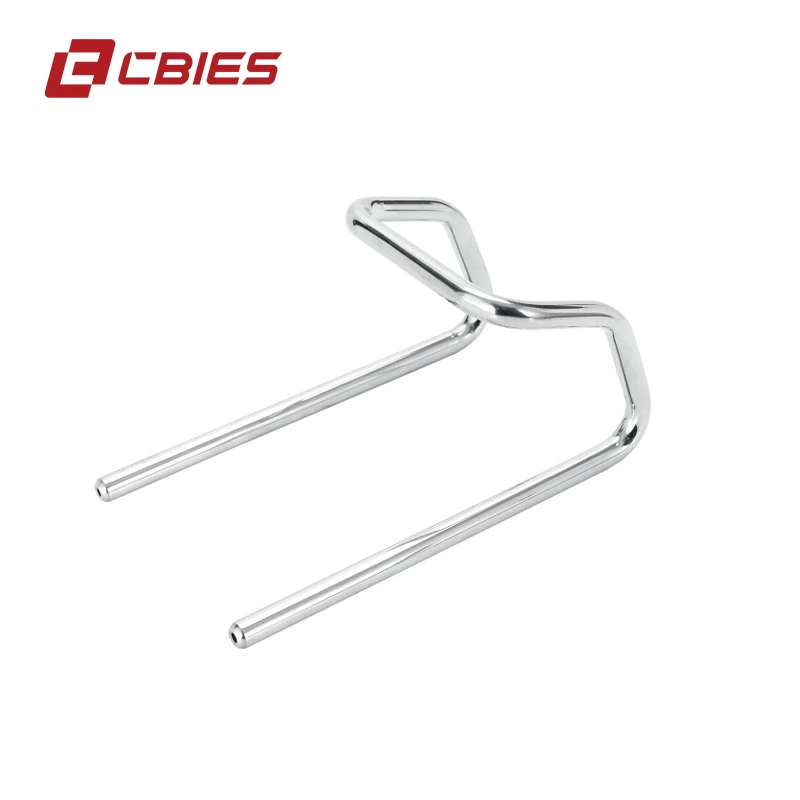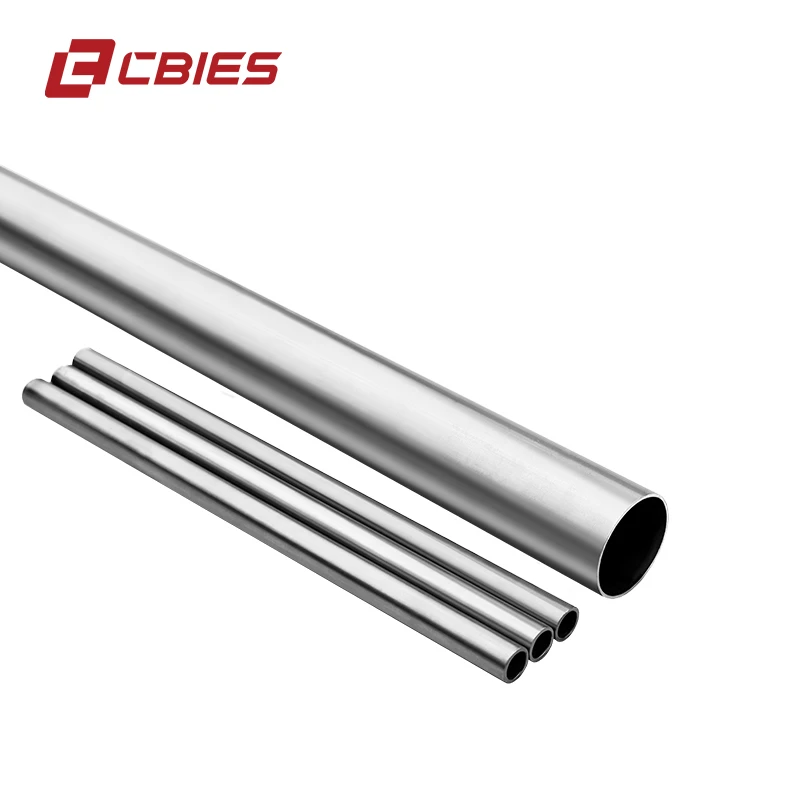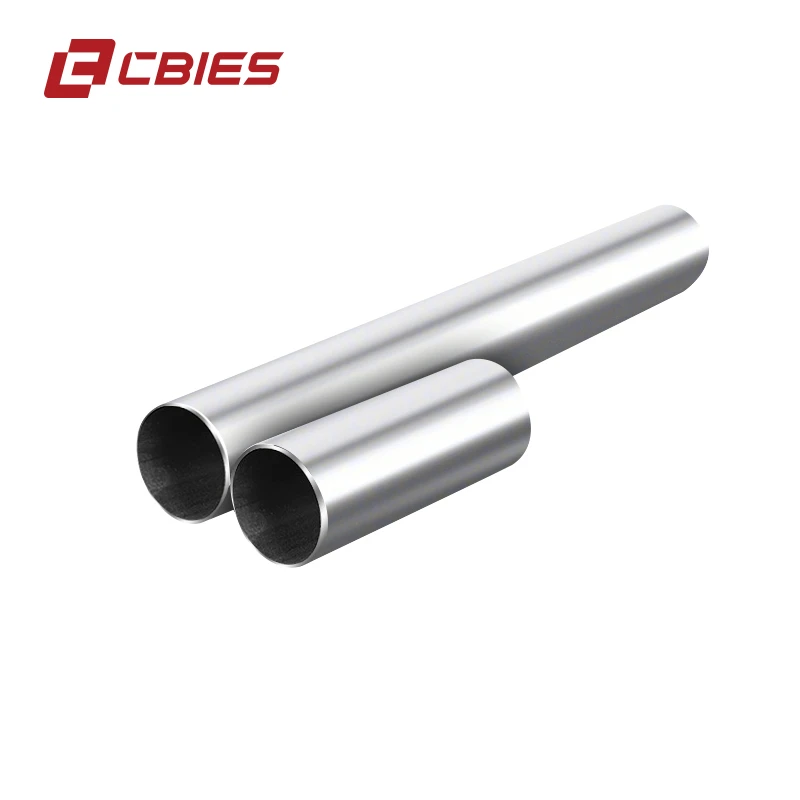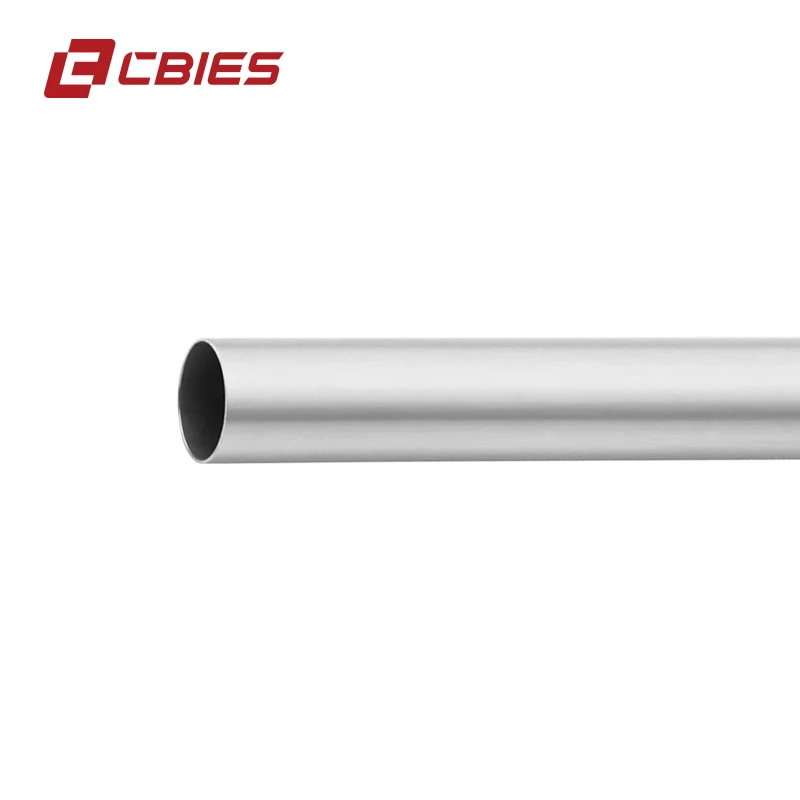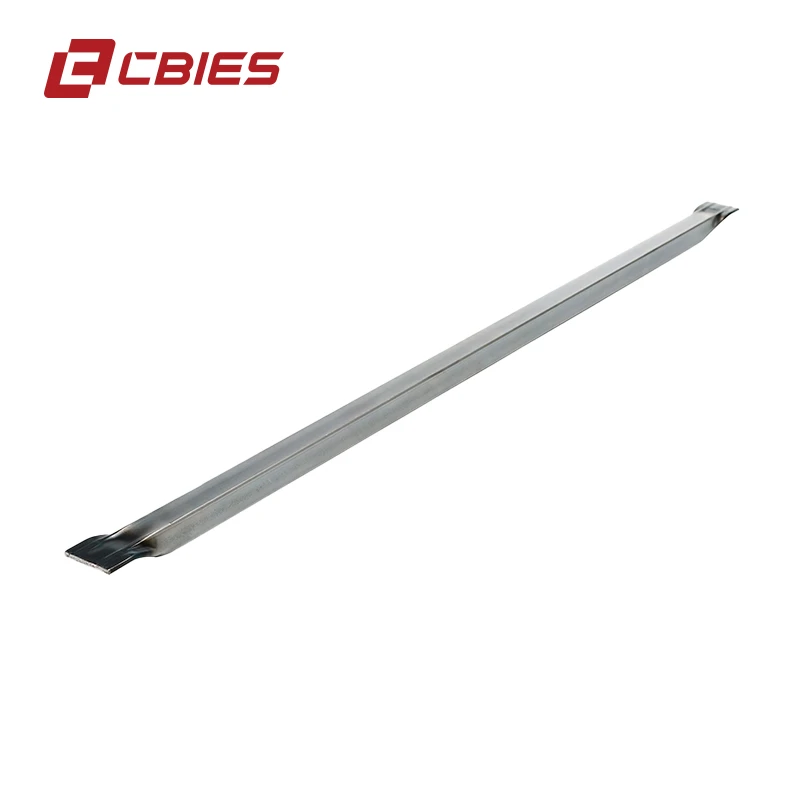


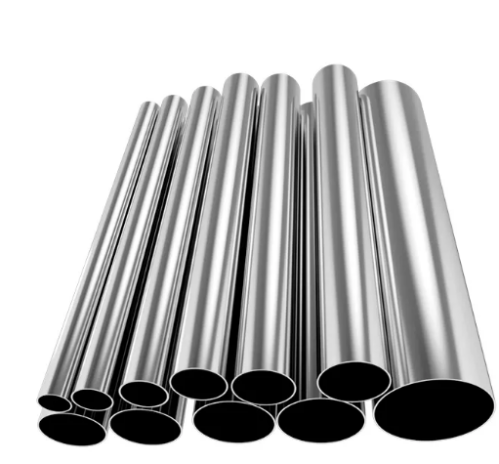
Cold drawn steel tube—also called cold drawn steel pipe or part of cold drawn products—is a high-precision material crafted via cold drawing to achieve tight dimensional tolerances and smooth surfaces, making it indispensable for automotive chassis, medical instruments, and machinery components. Heat treatment, however, is the critical step that unlocks its full potential: it relieves internal stresses from cold drawing, enhances mechanical properties like strength and ductility, and ensures consistency across batches. CBIES, a leading Chinese precision tube manufacturer with 20 years of expertise, specializes in heat-treated cold drawn steel tube for automotive seat frames, shock absorbers, and medical tool components. Boasting an 85,000-ton annual capacity, 4,000-strong technical team, $10 million annual export volume, and reach across North America, the EU, and Southeast Asia, CBIES delivers reliable cold drawn steel pipe solutions for wholesalers serving demanding industries. For wholesalers, partnering with CBIES means accessing heat-treated cold drawn products that balance precision, performance, and application versatility—backed by decades of engineering know-how.
|
Heat Treatment Type |
Key Process (CBIES’ Standards) |
Effect on Cold Drawn Products |
Ideal Applications for Cold Drawn Steel Pipe |
Market Regions Served |
|
Annealing for Cold Drawn Steel Tube |
Heating to 600–700°C, holding 2–4 hours, slow cooling; for stress relief and softening |
Reduces internal stress by 90%; improves machinability; low tensile strength (400–500 MPa) |
Medical instrument components (easy to machine), automotive parts needing bending |
EU, North America (strict medical machining standards), Southeast Asia (automotive parts) |
|
Normalizing for Cold Drawn Steel Pipe |
Heating to 850–950°C, holding 1–2 hours, air-cooling; for strength enhancement |
Boosts tensile strength (600–700 MPa); uniform microstructure; good wear resistance |
Automotive chassis tubes, machinery shafts (load-bearing needs) |
North America, Central and South America (automotive manufacturing hubs) |
|
Quenching & Tempering for Cold Drawn Products |
Quenching (heating to 800–900°C, water-cooling) + tempering (heating to 300–500°C); for high strength + ductility |
Tensile strength (700–800 MPa); elongation rate (18–22%); resistance to impact |
Automotive shock absorbers, heavy machinery hydraulic tubes (high stress + flexibility) |
EU, Central Asia (machinery manufacturing), North America (automotive performance parts) |
Yes—CBIES’ annealed cold drawn steel tube is ideal for medical instruments. Vacuum annealing relieves stress and softens the steel, making it easy to machine into precise shapes (e.g., surgical tool handles), while the smooth cold-drawn surface meets hygiene standards (easy to sterilize). A medical wholesaler used CBIES’ cold drawn steel pipe for laparoscopic instruments, with clients reporting zero machining defects—outperforming non-heat-treated tubes that cracked during shaping. Wholesalers can assure clients that heat-treated cold drawn products meet medical-grade requirements, supported by CBIES’ quality certifications.
Absolutely—CBIES offers specialized heat treatment (e.g., precipitation hardening) for cold drawn steel pipe used in high-temperature environments (up to 400°C), such as automotive exhaust components. This process creates a heat-resistant microstructure that retains strength at elevated temperatures. A automotive parts wholesaler requested heat-treated cold drawn steel tube for exhaust manifolds—CBIES’ solution withstood 400°C for 1,000 hours without strength loss, meeting their clients’ performance needs. Wholesalers can highlight this specialization to clients, as it fills a gap left by generic heat-treated cold drawn products that fail at high temperatures.
Heat-treated cold drawn steel tube outperforms non-heat-treated options in three key ways: stress relief (90% less internal stress, avoiding warping), strength (30% higher tensile strength for load-bearing parts), and consistency (uniform properties across batches vs. variable non-heat-treated quality). CBIES’ tests show heat-treated cold drawn steel pipe has a 50% longer service life in automotive applications. A machinery wholesaler’s client switched to heat-treated cold drawn products for shafts, cutting replacement costs by 40% due to reduced breakage. For clients prioritizing durability, heat-treated variants are the clear choice—wholesalers can use this comparison to guide clients.
Yes—CBIES customizes heat treatment for cold drawn products to match client needs. For example, a motorcycle parts wholesaler requested cold drawn steel tube with balanced strength and ductility for frame rails—CBIES designed a modified quenching-tempering process to achieve 650 MPa tensile strength and 20% elongation. The company also provides small-batch trials (100–500kg) to test custom heat treatments. A Central Asian wholesaler used these trials to validate a specialized annealed cold drawn steel pipe for agricultural machinery, ensuring it met local performance needs. Wholesalers can leverage this customization to serve niche markets.
CBIES uses multi-step quality control for heat-treated cold drawn steel tube: every batch undergoes tensile testing (to verify strength), hardness testing (Rockwell/Brinell), and metallographic analysis (to check microstructure). The company also uses automated temperature control in heat treatment furnaces (±5°C accuracy) to ensure consistency. A quality-focused wholesaler reported that CBIES’ cold drawn steel pipe had 100% consistency in hardness across a 2,000-ton order, unlike generic suppliers with 15% variability.