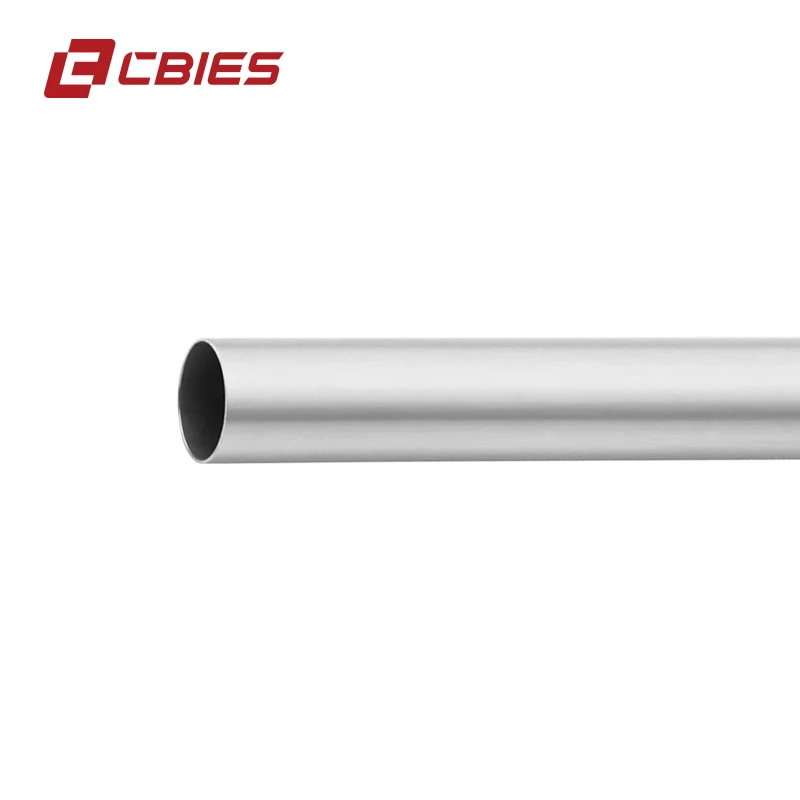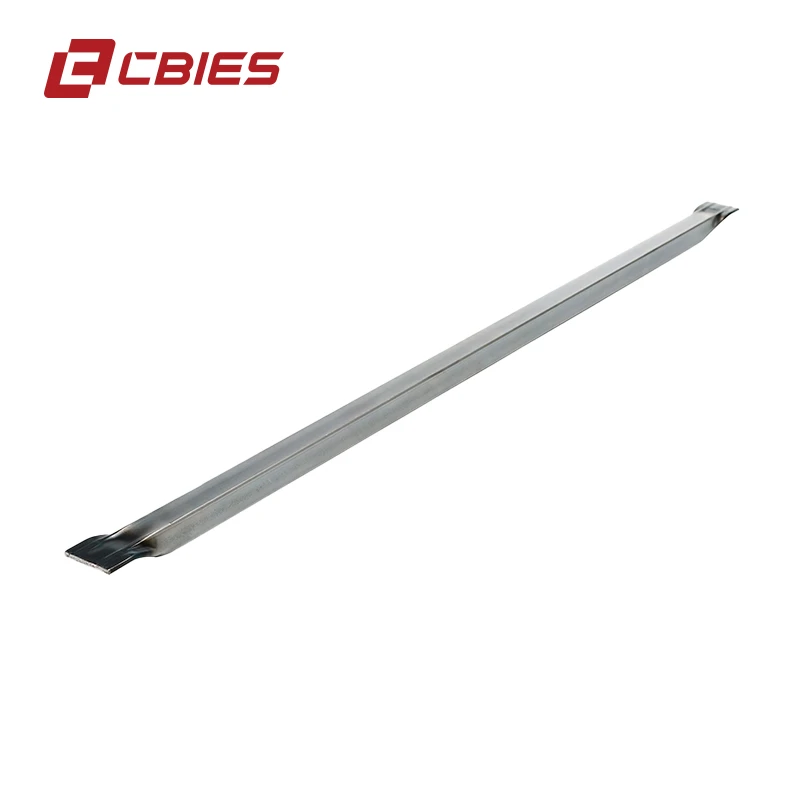


Having spent a good chunk of my career in the industrial equipment sector—particularly around tube fabrication—I can tell you welding thin wall tubing is both a craft and a challenge. The tubes we’re talking about, often less than 1.5mm thick, aren’t just simple metal pipes. They’re precision components, and the welding process is a high-stakes game where heat inputs, filler materials, and technique can make or break the structural integrity.
Oddly enough, despite advances in automation and robotics, thin wall tubing welding still often relies on skilled hands and sharp eyes. I recall one project involving thin wall stainless steel tubes for aerospace fuel lines. The tubes had to be flawless—not just for strength but to prevent corrosion and leaks. One tiny imperfection in the weld was a non-starter, so the welding operator had to balance precisely how much heat to apply without burning through.
In real terms, thin wall tubing welding requires special attention to these key factors:
Manufacturers often quote product specs, but the practical subtleties interest me more. For example, a 304L stainless steel thin wall tube might have a wall thickness as low as 0.5 mm yet still maintain excellent weldability if you use the right filler and parameters.
| Parameter | Recommended Range | Notes |
|---|---|---|
| Tube Wall Thickness | 0.3mm - 1.5mm | Thinner than standard tubing |
| Welding Process | Pulsed TIG / Laser Welding | Heat control critical |
| Filler Material | ER308L / ER316L | Material matched for stainless steel |
| Shielding Gas | Argon or Argon-Helium mix | Prevents oxidation |
| Welding Speed | 100-300 mm/min | Varies by equipment and thickness |
Of course, the choice of vendor supplying these tubes and weld services plays a huge role. I’ve worked with several companies, and from my experience, some stand out for consistency, others for customization options. For instance, while some vendors deliver a broad range of standard sizes, there’s value in a partner who can tailor tube diameters and finishes, especially if your product demands tight tolerances.
| Vendor | Product Range | Customization Options | Lead Time | Technical Support |
|---|---|---|---|---|
| CBI Steel Tubing | Extensive (thin & thick wall) | High (diameter, finish, alloys) | 2-4 weeks | Excellent, industry experts |
| Generic Tube Solutions | Medium (standard sizes) | Limited | 1-2 weeks | Moderate, mainly sales support |
| Precision Tubing Co. | Specialized alloys thin wall | Selective, custom alloys | 4-6 weeks | Strong engineering consult |
You know, one of the most satisfying moments that comes to mind is when a client making medical devices shared that their welded thin wall tubing assemblies had zero failure in biocompatibility and passed all leak tests. It’s moments like these that remind me why the painstaking process of welding thin wall tubing matters so much.
So, if you’re looking to get into manufacturing with thin wall tubing, remember the devil’s in the details: control your heat, pick your materials well, and choose your supplier wisely. It’s not glamorous, but it’s crucial.
And for what it’s worth, welding thin wall tubing might be one of those things that sounds straightforward from afar, but once you’re knee-deep in the workshop, you quickly realize the subtlety and care it demands.
Takeaway: Welding thin wall tubing demands precision, skilled technique, and a reliable partner to ensure strong, defect-free joints that perform under pressure.