

Motorcycle side stands. You’ve likely taken them for granted every time you’ve swung your bike to one side after a ride. But when you pause to think about it, this simple, often-overlooked component plays a vital role in global motorcycle use, safety, and convenience. Given that over 300 million motorcycles are on the road worldwide — especially prevalent in countries across Asia, Africa, and Latin America — understanding the motorcycle side stand goes beyond just mechanical curiosity. It’s about ensuring rider safety, ease of use, reliability, and even broader industrial and humanitarian applications.
Let’s dig into the world of these small but mighty parts, unpacking their definitions, significance, and where the industry is headed.
Globally, motorcycles account for roughly half the market in many developing countries — India alone sees about 20 million new two-wheelers each year (World Bank, 2023). The motorcycle side stand is a tiny piece of this massive puzzle but crucial for day-to-day operations.
Why does it matter? Motorcycles are the go-to mode of transport in congested urban areas, remote rural zones, and even disaster-stricken regions where larger vehicles can’t reach. In these contexts, a reliable side stand improves safety by preventing accidental falls when parking and facilitates rapid deployment of motorcycles in emergencies.
Yet challenges persist: cheaply made stands can bend, fail to lock properly, or corrode quickly, posing risks and increasing maintenance costs. That’s where innovation and standards come into play, pushing manufacturers toward better materials and designs that sustain long-term use.
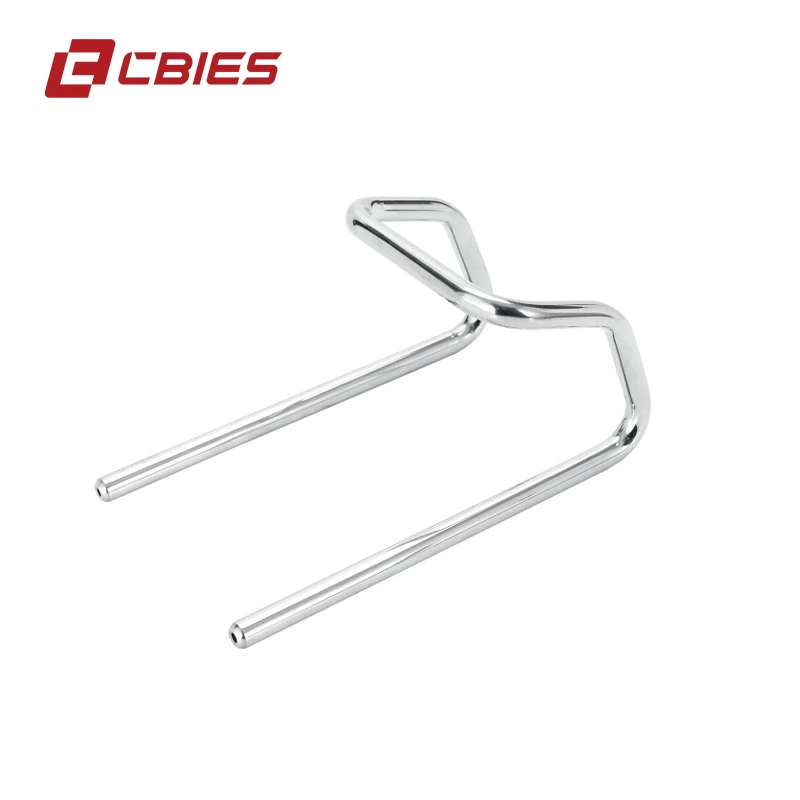
Simply put, a motorcycle side stand is a metal or composite leg attached on the left (usually) of the motorcycle frame. Its purpose? To hold the bike upright when parked, leaning it gently to one side so it doesn't topple over. It usually has a spring mechanism that snaps it back up as you ride, and sometimes comes with safety switches to prevent the engine running while deployed.
In the broader picture, these stands connect to modern transportation’s push for practical, low-cost engineering solutions—especially in developing markets where ruggedness and simplicity win over high-tech complexity. For humanitarian organizations distributing motorcycles in remote regions (think UN peace missions or NGOs), the side stand plays a small but key role in vehicle uptime and safety.
Manufacturers prefer steel alloys or sometimes aluminum for lightweight yet strong parts. Many engineers say the right coating is essential — think powder coating, zinc plating, or even corrosion-resistant composites. After all, a rusted stuck side stand is a pain and a safety hazard.
The stand must support the bike’s weight plus gear. Oddly enough, this can get tricky with off-road or touring bikes that carry heavy loads, requiring design tweaks in leg length and footpad size for terrain grip.
Spring tension and locking systems ensure the stand snaps up firmly. Additionally, some models have side stand cut-off switches linked to the ignition to prevent riding with the stand down — a surprisingly common cause of accidents.
Because motorcycles are heavily price-sensitive, especially in lower-income markets, the stand’s cost must be balanced with quality to encourage replacements rather than risky fixes. Easy-to-service designs help too.
With so many bike models, universal or adjustable stands that fit multiple frames help vendors streamline inventory and users customize fitment.
Let’s bring this down to earth. In India and Southeast Asia, millions of riders rely daily on side stands for quick urban parking — on curbs, streets, even informal stalls. In African agricultural zones, motorcycles equipped with sturdy stands enable farmers to park safely on uneven land while unloading goods. And in disaster response scenarios — say, earthquake-hit Nepal or typhoon-stricken Philippines — humanitarian agencies send motorcycles with enhanced side stands that withstand rough handling and long-term outdoor exposure.
One NGO told me about their fleet of motorcycles used for rural healthcare delivery in sub-Saharan Africa. The side stand’s robustness directly affected how quickly nurses could stop and attend patients, and avoid costly bike damage. It’s the kind of tiny detail that translates into lives saved.
| Specification | Typical Value | Notes |
|---|---|---|
| Material | High-strength steel alloy | Coated with zinc or powder |
| Length | 240–280 mm | Varies by bike model |
| Load capacity | Up to 150 kg | Supports bike weight + gear |
| Spring force | Medium tension | Ensures reliable retraction |
| Safety feature | Side stand cut-off switch | Optional, model-dependent |
In real terms, these benefits build trust between users and manufacturers and ultimately support broader initiatives like sustainable transportation in cities and rural development alike.
| Vendor | Material Quality | Price Range (USD) | Customization Options | Global Reach |
|---|---|---|---|---|
| SteelWorks Co. | Premium zinc-plated steel | $10–$15 per unit | Custom lengths & finishes | Worldwide |
| MotoParts Ltd. | Standard steel, powder coated | $7–$11 per unit | Limited customization | Asia, Africa |
| EcoStand Inc. | Recycled aluminum alloy | $12–$18 per unit | Adjustable lengths, eco-friendly finishes | North America, Europe |
The next decade may bring some surprising changes to these stands. For starters, lightweight composites or recycled materials might replace steel in certain models, greatly reducing weight and environmental footprint. Integration of smart sensors connected to vehicle systems could provide real-time feedback if the stand isn't fully retracted or warn of mechanical faults. With increasing digitalization and IoT applications permeating motorcycles, the side stand may no longer be just a mechanical prop, but a component in the bike’s safety network.
From a sustainability angle, manufacturers are exploring biodegradable coatings and recycled metals, aligning with global emissions goals. Similarly, automated manufacturing techniques like 3D metal printing may allow rapid prototyping of bespoke stand designs tailored to new motorcycle launches or custom builds.
Not all progress is smooth. Common challenges include balancing cost with quality, corrosion resistance in harsh climates, and ensuring universal fit across multiple bike frames. But industry R&D increasingly focuses on modular designs, advanced coatings, and hybrid materials to tackle these.
Training end-users on maintenance also matters — a little grease here and there prevents many failures. Partnerships between manufacturers & NGOs have shown success in field-testing stands under extreme conditions, leading to iterative improvements.
In summary, the motorcycle side stand might seem like a humble appendage to your two-wheeled companion, yet its impact stretches globally—from urban riders to humanitarian field workers. Investing in a durable, safe side stand supports not only your mobility but broader transport ecosystems worldwide. If you want to explore high-quality options or custom stands, don’t hesitate to visit our website. Sometimes, the simplest part can make the biggest difference.