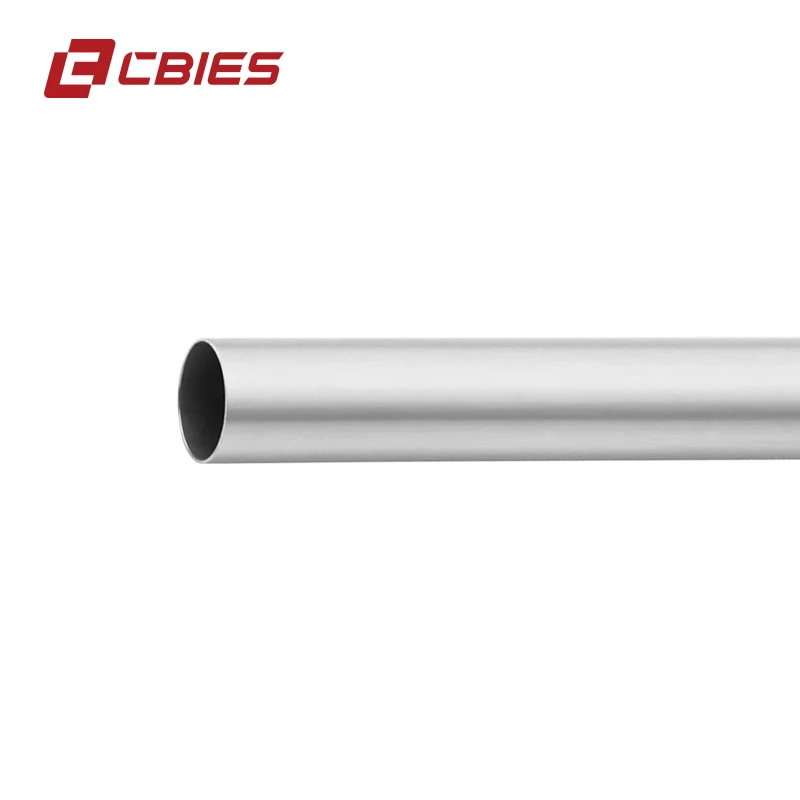
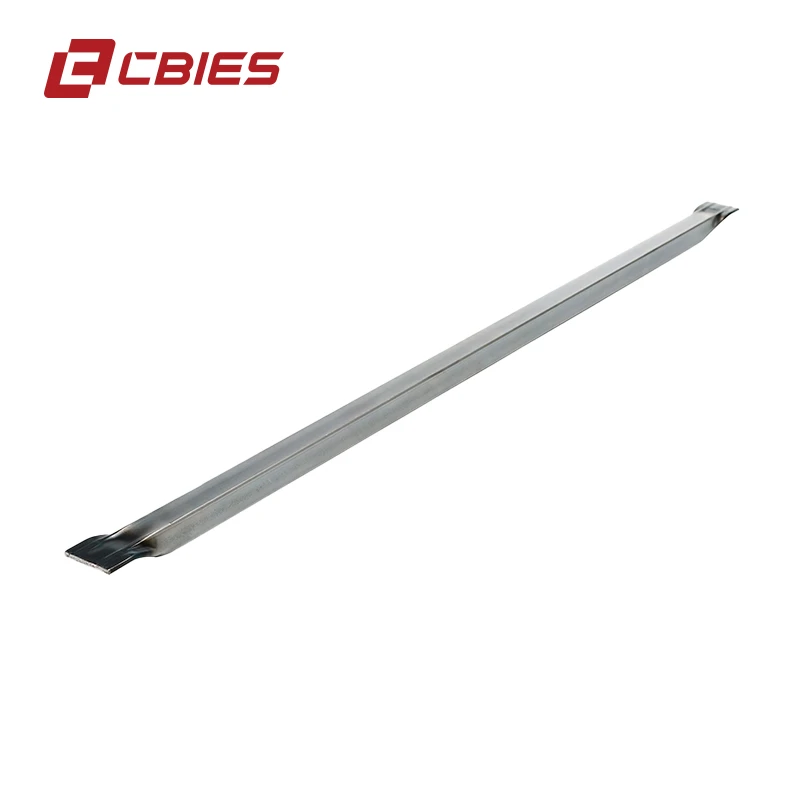
Structure Steel Tube For Building Framing Applications
Dec . 12, 2025 20:35
In the realm of modern construction, the quest for materials that offer superior strength, design flexibility, and efficient use of resources is perpetual. The structure steel tube has emerged as a fundamental component that meets these demanding criteria, becoming the backbone of countless architectural marvels and everyday structures. As a premier manufacturer, CBIES dedicates its expertise to producing high-quality structure steel tube products that form the essential skeleton of buildings, from soaring skyscrapers to expansive industrial warehouses. The inherent properties of this material—including its exceptional strength-to-weight ratio, consistent mechanical performance, and adaptability to complex designs—make it an indispensable choice for engineers and architects. A structure steel tube provides the robust framework necessary to resist various loads and forces, ensuring the safety, durability, and longevity of the built environment. At CBIES, we understand that the integrity of a building begins with its frame, and we are committed to supplying the foundational elements that builders trust.
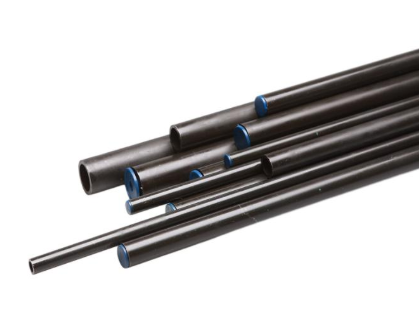
The Fundamental Advantages Of Using Structure Steel Tube In Modern Construction
- The widespread adoption of the structure steel tube in construction is driven by a compelling set of advantages that directly address the needs of modern engineering. Its most celebrated benefit is the exceptional strength-to-weight ratio; this characteristic allows for the creation of robust, load-bearing frameworks that are significantly lighter than those made from alternative materials like concrete.
- This lightness translates to reduced foundation loads and often faster construction times. Furthermore, the predictable and uniform nature of a structure steel tube allows for precise engineering calculations and prefabrication of components, leading to enhanced quality control and efficiency on the construction site. The hollow section is inherently efficient in resisting torsional and compressive forces, making it ideal for columns, beams, and trusses. At CBIES, we enhance these inherent benefits by ensuring our structure steel tube is manufactured with consistent wall thickness and superior dimensional accuracy, providing a reliable and high-performance building block for contractors and engineers.
Designing Robust And Efficient Metal Tube Structure Systems
- The creation of a successful metal tube structure requires a sophisticated understanding of how individual components interact to form a cohesive and resilient system. This involves the strategic design of connections and the selection of the appropriate tube profiles—such as square, rectangular, or circular—to optimize performance for specific applications.
- A well-designed metal tube structure leverages the inherent stiffness of the sections to create wide-open, column-free spaces that are highly valued in both commercial and industrial architecture.
- The efficiency of a metal tube structure also lies in its ability to be modular and prefabricated. At CBIES, we work closely with designers and engineers, providing structure steel tube that can be precisely cut, drilled, and even partially welded off-site. This approach minimizes waste, accelerates the assembly process on-site, and ensures a higher degree of construction accuracy, resulting in a metal tube structure that is not only strong and stable but also economically efficient to erect.
Exploring The Versatility And Applications Of Hollow Structural Tube
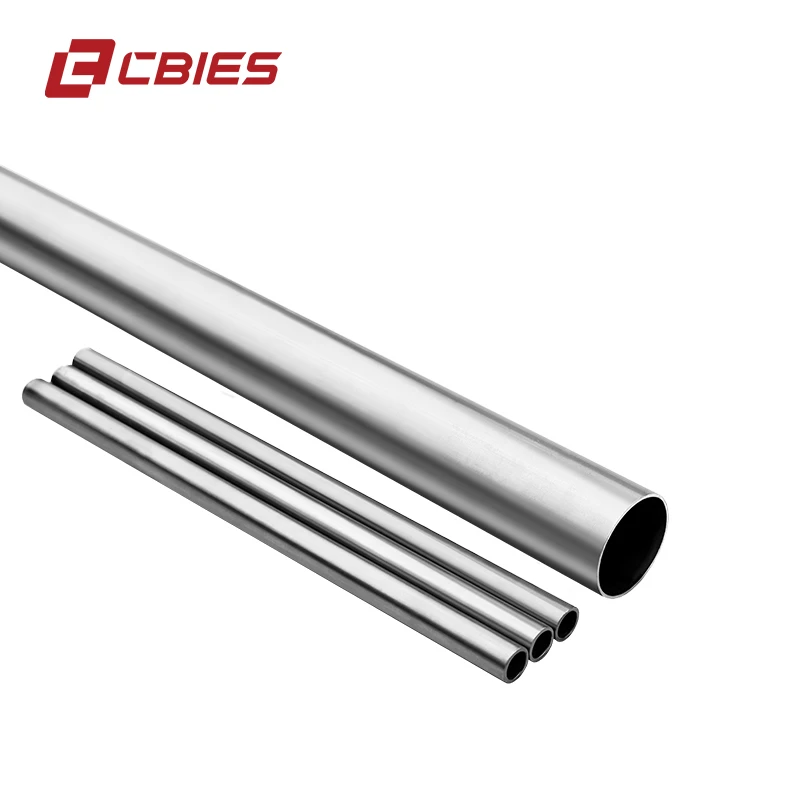
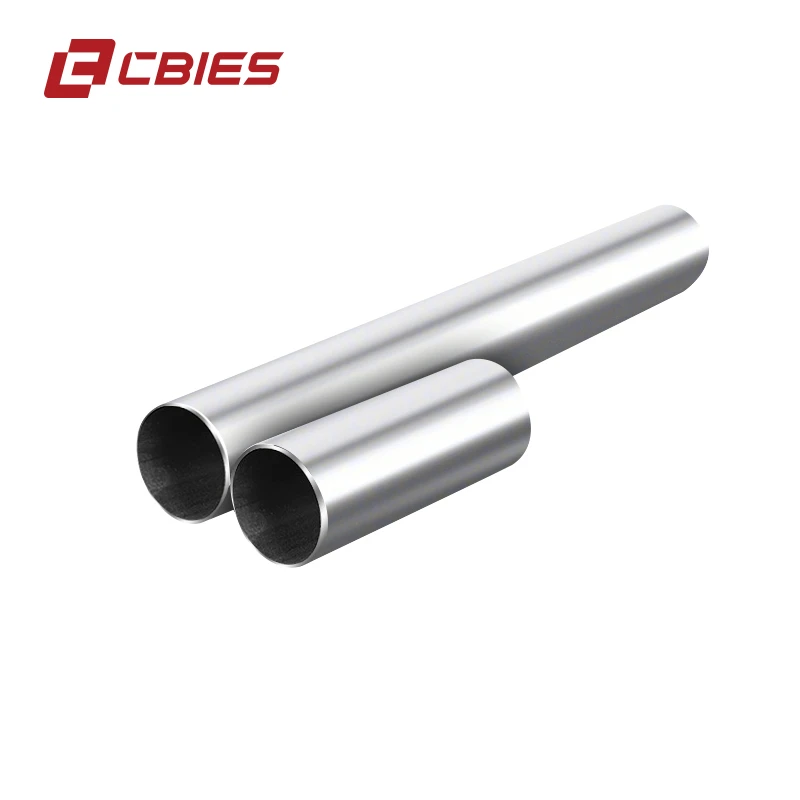
- The term hollow structural tube refers to the specific category of steel sections that are manufactured without a seam, creating a closed profile that is paramount for structural integrity. This product's versatility is virtually unmatched, finding critical applications across the entire construction spectrum.
- In building framing, the hollow structural tube is the preferred choice for primary columns and long-span beams, providing the necessary support for floors and roofs. Its clean, geometric lines also make it ideal for architectural features such as exposed trusses, stair stringers, and curtain wall systems, where aesthetics and strength are equally important.
- Beyond buildings, hollow structural tube is essential in bridge construction, material handling equipment, and heavy vehicle frames. CBIES produces a comprehensive range of hollow structural tube in various sizes and steel grades, enabling us to supply the perfect solution for projects of any scale, from a small commercial canopy to a massive industrial complex.
Hollow Structural Tube FAQs
What Are The Primary Benefits Of Using Hollow Structural Tube In Building Frames?
Hollow structural tube offers an excellent strength-to-weight ratio, reducing overall building weight. Its closed shape provides high resistance to torsion and compression. The clean geometry allows for neat, efficient connections, facilitating faster construction and enabling versatile architectural designs with large, open interior spaces.
How Does A Metal Tube Structure Compare To Traditional Solid Sections?
A metal tube structure is significantly more efficient than solid sections. It concentrates material away from the neutral axis, maximizing stiffness with less weight. This leads to material savings, lower transportation costs, and easier handling. The hollow section also allows for the integration of utilities like electrical conduits within the frame.
What Factors Determine The Choice Of A Specific Structure Steel Tube?
The choice depends on the applied loads (compressive, tensile, bending), required span lengths, and connection details. Engineers select the size, wall thickness, and steel grade of the structure steel tube based on structural calculations to ensure safety and serviceability while optimizing for cost and constructability.
How Is The Quality Of A Structure Steel Tube Verified Before Shipping?
CBIES verifies quality through multiple checks. This includes dimensional inspection, visual surface examination, and non-destructive testing. We also perform mechanical tests to confirm yield strength, tensile strength, and elongation, ensuring every structure steel tube meets or exceeds the relevant project specifications and international standards.
Can Hollow Structural Tube Be Used In Seismic Or High-Wind Applications?
Yes, the inherent ductility and strength of hollow structural tube make it well-suited for seismic and high-wind zones. Its uniform geometry performs predictably under dynamic loads. When detailed according to specific design codes, a metal tube structure made from hollow structural tube can effectively absorb and dissipate energy, enhancing structural resilience.