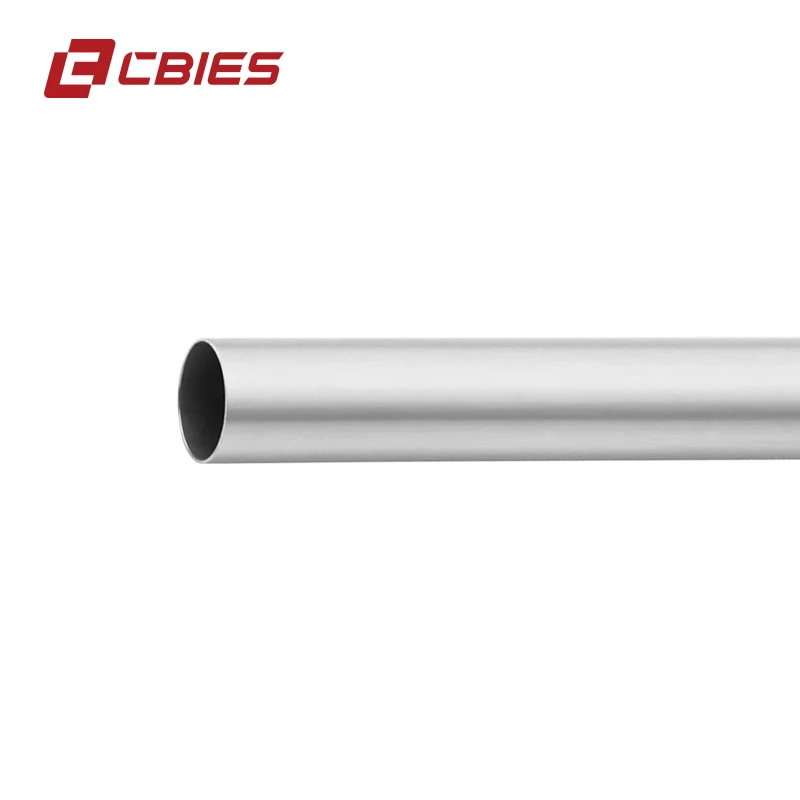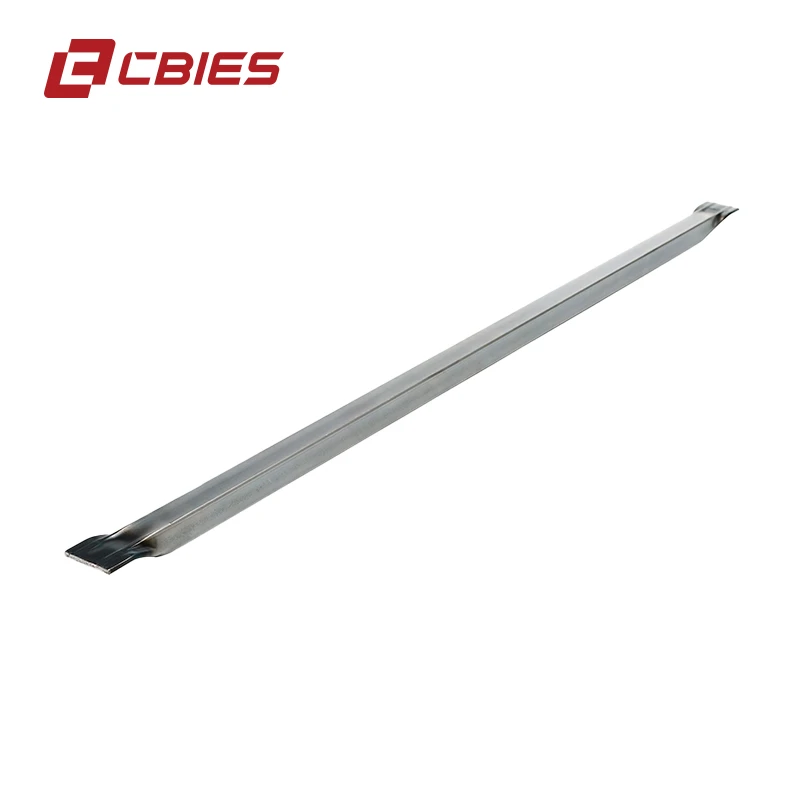


The load capacity of a rectangular steel column—alongside its counterparts like square steel column and tube steel column—is a critical factor in construction, machinery, and automotive structures, as it determines how much weight the column can safely support without buckling or deformation. High-quality steel columns rely on precise material composition, dimensional accuracy, and structural design to deliver reliable load performance. CBIES, a leading Chinese precision tube manufacturer with 20 years of expertise, plays a key role in producing the foundational steel tubing used in rectangular steel column and square steel column (extending its precision engineering from automotive tubes to structural applications). With an 85,000-ton annual production capacity, 4,000-strong technical team, $10 million annual export volume, and reach across North America, the EU, and Southeast Asia, CBIES supplies the high-strength steel needed to craft columns that meet global load standards. For wholesalers serving construction firms, machinery manufacturers, and automotive component suppliers, partnering with CBIES means accessing the precision steel that forms the backbone of rectangular steel column, square steel column, and tube steel column—backed by decades of engineering excellence.
|
Steel Column Type |
Key Specifications (CBIES’ Standards) |
Typical Load Capacity (Static) |
Ideal Applications |
Market Regions Served |
|
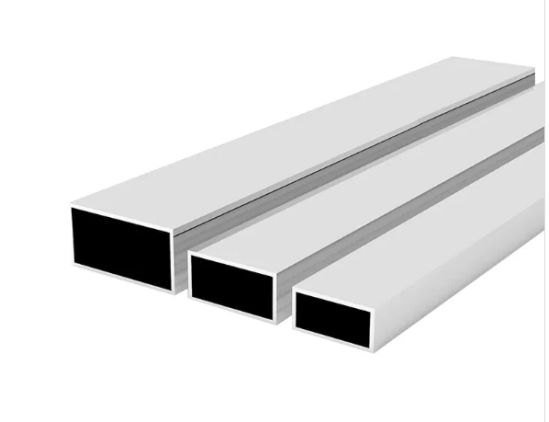
Rectangular Steel Column |
Cross-section: 50×100mm–200×300mm; Wall thickness: 4–12mm; Material: HSLA steel (Q345B) |
15–50 tons |
Building beams, automotive chassis supports, shelf frames |
North America, EU (commercial construction), Southeast Asia (residential builds) |
|
Square Steel Column |
Cross-section: 50×50mm–200×200mm; Wall thickness: 4–12mm; Material: HSLA steel (Q345B) |
18–55 tons |
Machinery frames, industrial supports, earthquake-resistant structures |
EU, Central Asia (heavy machinery), North America (industrial construction) |
|
Tube Steel Column |
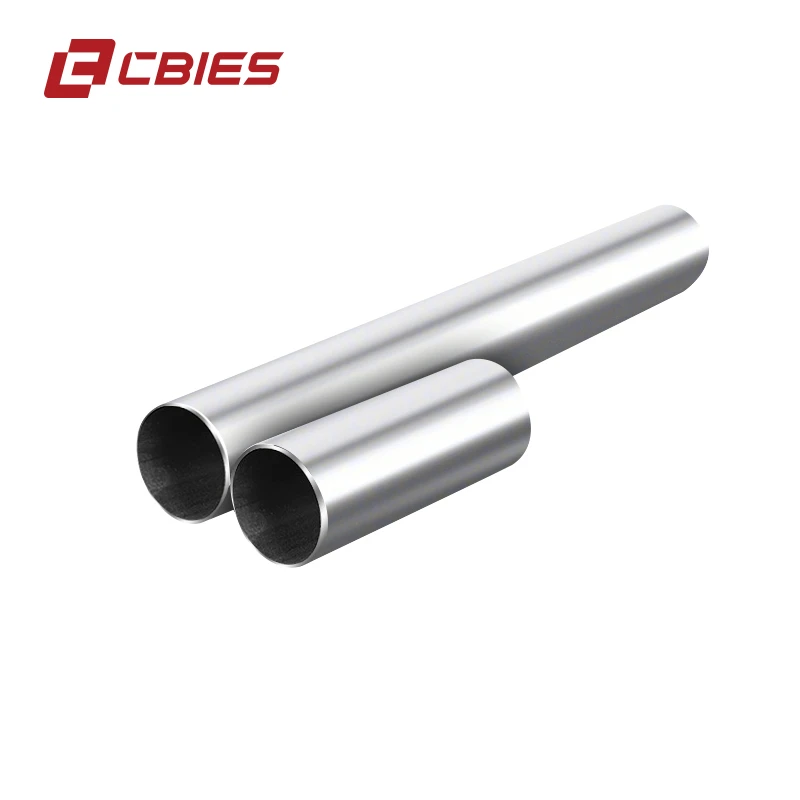
Outer diameter: 60–250mm; Wall thickness: 5–15mm; Material: Seamless HSLA steel (Q345B) |
20–60 tons |
High-rise building columns, heavy equipment supports |
North America, Central and South America (high-rise construction), EU |
Yes—CBIES’ rectangular steel column (with large cross-sections like 200×300mm and thick walls up to 12mm) is suitable for mid-rise buildings (5–15 floors). Its asymmetric design fits narrow spaces (e.g., between walls), while HSLA steel material supports 30–50 tons of load per column. A Southeast Asian wholesaler supplied CBIES’ rectangular steel column for a 10-story residential building, with engineers confirming the columns met local seismic load standards. For high-rises (15+ floors), CBIES’ tube steel column (with higher load capacity) is preferred, but rectangular steel column works well for mid-rise projects.
Square steel column has slightly higher load capacity (10–15%) than rectangular steel column of the same weight, thanks to its symmetric cross-section. For example, an 80×80×6mm square steel column supports 22 tons, while a 60×100×6mm rectangular steel column (same weight) supports 19 tons. The symmetry also makes square steel column more resistant to lateral loads (e.g., wind, earthquakes). A Central Asian wholesaler reported that clients building in earthquake zones preferred CBIES’ square steel column for its better load distribution, reducing structural damage risk.
CBIES’ rectangular steel column, square steel column, and tube steel column comply with global standards like GB/T 11263 (Chinese structural steel tubes), EN 10210 (EU), and ASTM A500 (North America). These standards ensure load capacity, material strength, and dimensional accuracy meet regional construction and machinery requirements. A North American wholesaler noted that CBIES’ tube steel column met ASTM A500 Grade B standards, making it easy to import and use in US high-rise projects without additional testing.
Yes—CBIES offers custom tube steel column with adjusted outer diameter (60–250mm), wall thickness (5–15mm), and material grade (Q345B to Q460C) to match unique load requirements. For example, a heavy machinery wholesaler requested tube steel column that could support 65 tons—CBIES increased the wall thickness to 15mm and used Q460C steel to meet the demand. Small-batch samples (10–50 units) are available for load testing, ensuring the column performs as needed. Wholesalers can highlight this customization to serve clients with specialized load needs, such as heavy equipment manufacturers.
CBIES validates load capacity through multiple steps: material testing (tensile and compressive strength checks), finite element analysis (simulating load performance), and physical load testing (applying static weight to columns until design load is reached). Every batch of rectangular steel column, square steel column, and tube steel column comes with a test report confirming load capacity. A construction wholesaler noted that CBIES’ test reports helped their clients pass building code inspections quickly, as the data proved columns met load requirements.