

Sourcing reliable heavy truck parts is crucial for maintaining a safe and efficient fleet. Whether you're a fleet manager, mechanic, or owner-operator, understanding the market, quality indicators, and reliable suppliers is paramount. This guide will delve into the world of heavy truck parts, offering insights into common components, sourcing strategies, and the importance of choosing the right partners. Investing in quality parts translates directly to reduced downtime, lower repair costs, and improved overall performance.
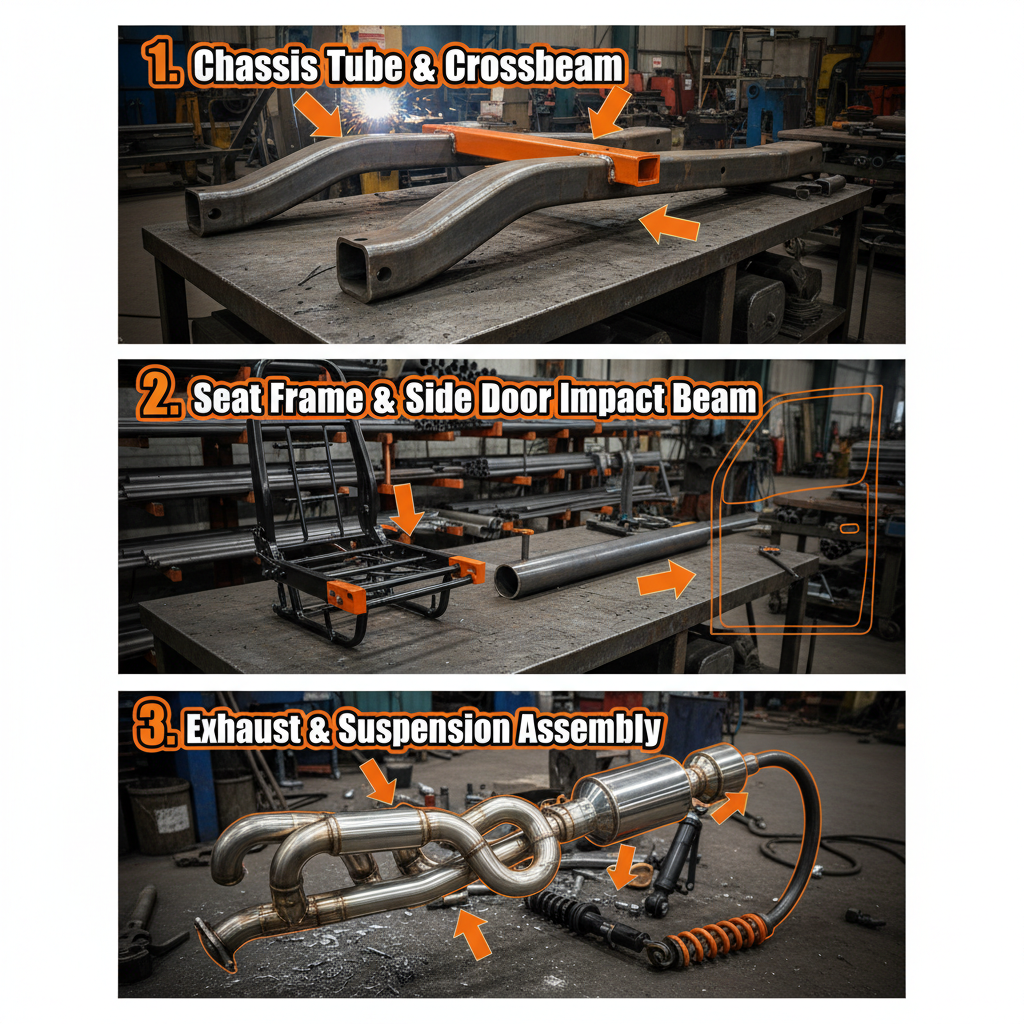
Heavy trucks are complex machines, comprised of thousands of individual parts. However, some components are consistently critical for operation and require more frequent attention. These include engine parts (pistons, cylinders, turbochargers), transmission components (gears, clutches, shafts), brake systems (pads, rotors, calipers), suspension parts (shocks, springs, air bags), and electrical components (alternators, starters, wiring harnesses). Understanding the function and potential failure points of each component allows for proactive maintenance and timely replacement. Ignoring these crucial elements can lead to costly breakdowns and safety hazards.
Key Insight: Preventative maintenance, using high-quality heavy truck parts, is significantly more cost-effective than reactive repairs.
Several avenues exist for sourcing heavy truck parts. These include original equipment manufacturers (OEMs), aftermarket suppliers, and used parts dealers. OEMs offer parts directly from the truck manufacturer, guaranteeing compatibility but often at a premium price. Aftermarket suppliers provide comparable parts manufactured by other companies, offering a balance between quality and cost. Used parts dealers offer a more affordable option, but quality can vary significantly. Choosing the right sourcing strategy depends on your budget, the urgency of the repair, and the criticality of the component.
Sourcing Considerations:
• OEM Parts: Highest quality, highest price, guaranteed compatibility.
• Aftermarket Parts: Good quality, moderate price, generally reliable.
• Used Parts: Lowest price, variable quality, requires careful inspection.
• Supplier Reputation: Research suppliers for reliability and customer support.
The aftermarket is flooded with suppliers offering heavy truck parts. Choosing a reputable supplier is crucial. Factors to consider include product range, pricing, warranty policies, shipping times, and customer service. It's essential to compare several suppliers before making a decision. A supplier like CBIeStudio offers a comprehensive catalog, competitive pricing, and a commitment to quality.
Cutting corners on quality when it comes to heavy truck parts can have severe consequences. Inferior parts are more prone to failure, leading to increased downtime, costly repairs, and potentially dangerous situations. Investing in quality parts from reputable suppliers ensures longevity, reliability, and safety. Look for certifications and standards compliance as indicators of quality.
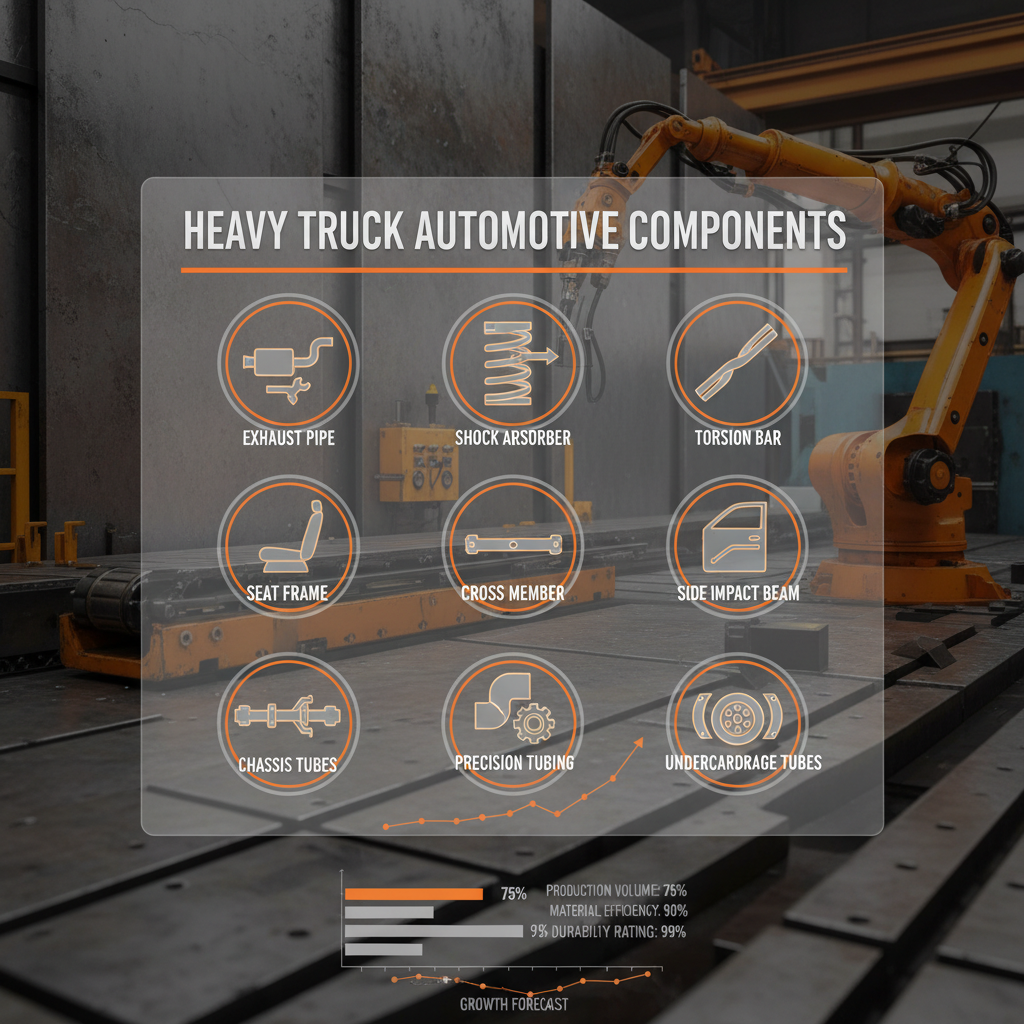
The heavy truck parts industry is evolving, driven by advancements in technology and a growing focus on sustainability. Electric and hybrid trucks are becoming increasingly common, requiring specialized parts and expertise. Furthermore, predictive maintenance, utilizing data analytics to anticipate component failures, is gaining traction. Staying informed about these trends is essential for fleet managers and mechanics to optimize performance and minimize costs.
Choosing the right heavy truck parts supplier is a strategic decision that impacts your fleet's performance, safety, and bottom line. By understanding your needs, researching suppliers, and prioritizing quality, you can build a reliable partnership that supports your long-term success. Don't hesitate to leverage the expertise of industry professionals to navigate the complexities of the heavy truck parts market.
Identifying a faulty heavy truck part requires a systematic approach. Start with visual inspection for obvious signs of damage like cracks, leaks, or corrosion. Listen for unusual noises during operation. Monitor performance metrics (engine temperature, oil pressure, fuel efficiency) for deviations. Utilizing diagnostic tools can pinpoint specific issues. If unsure, consult a qualified mechanic for a thorough assessment. Remember, ignoring early warning signs can lead to more significant and costly repairs.
The frequency of air filter replacement depends on operating conditions. In dusty or harsh environments, filters may need to be replaced more often—typically every 3-6 months. Under normal conditions, replacing them annually is a good practice. Regularly checking the filter's condition visually is crucial. A clogged air filter restricts airflow, reducing engine performance and fuel efficiency. Replacing a dirty air filter is a simple and cost-effective maintenance task that can significantly benefit your truck.
When choosing a supplier, prioritize reputation, product range, pricing, and customer service. Look for suppliers with positive reviews and a proven track record. Ensure they offer a comprehensive catalog of parts for your specific truck make and model. Compare pricing from multiple suppliers. Verify that they have a clear warranty policy and responsive customer support. A reliable supplier will stand behind their products and provide assistance when needed.