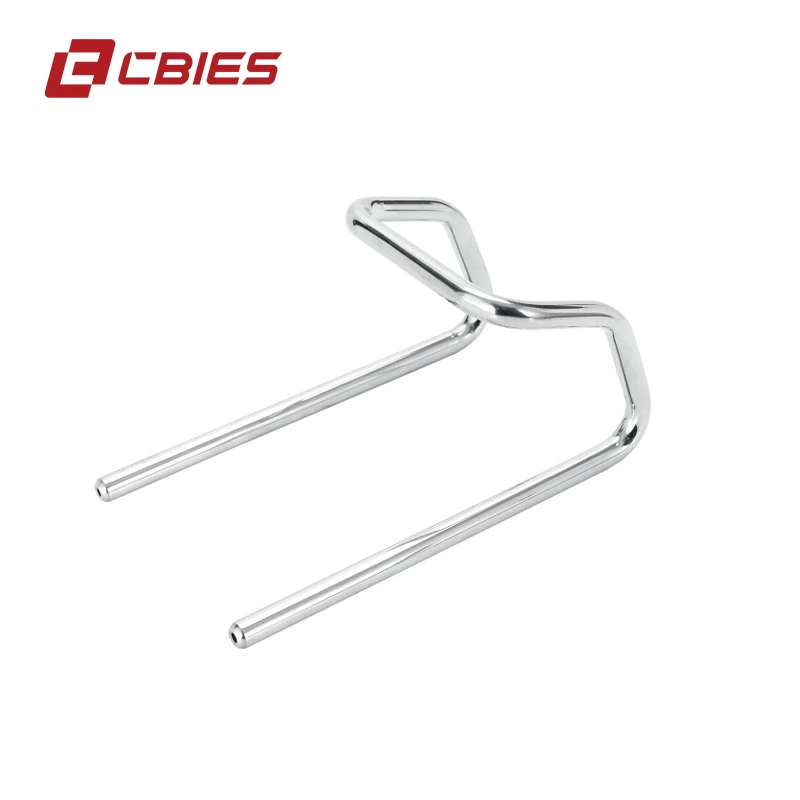
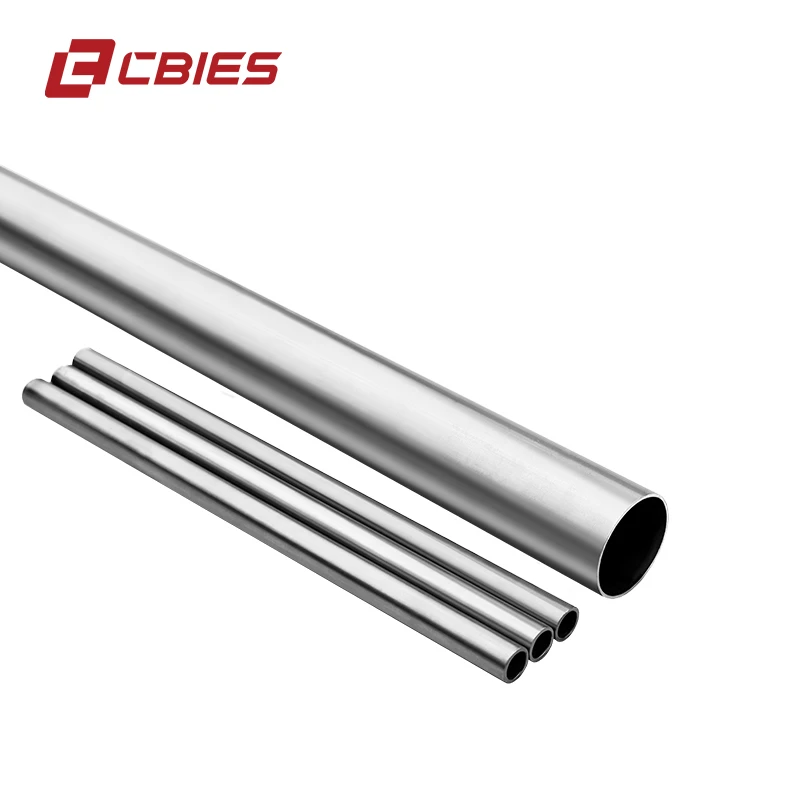
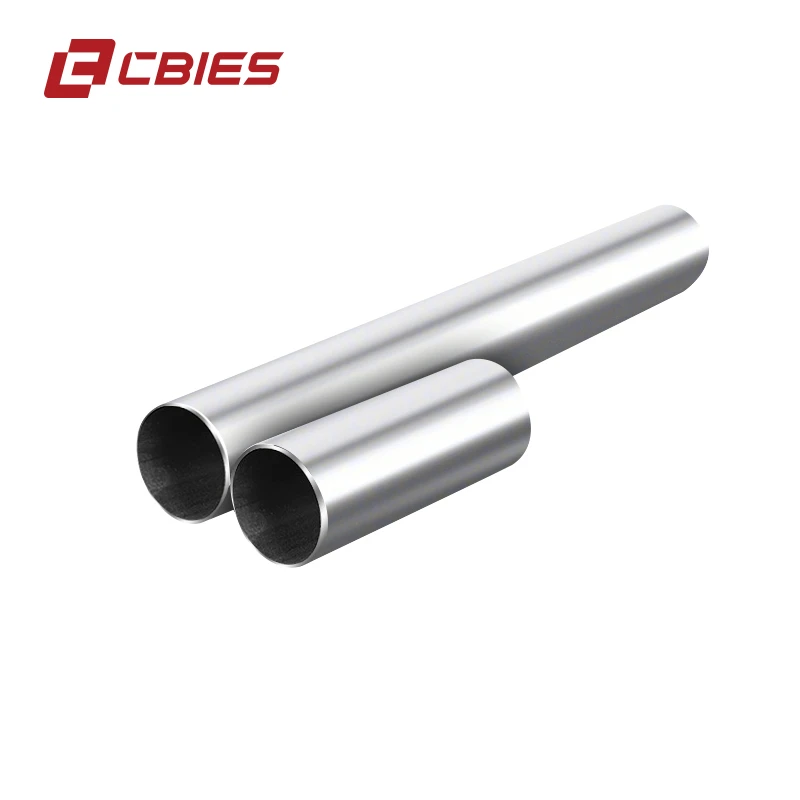
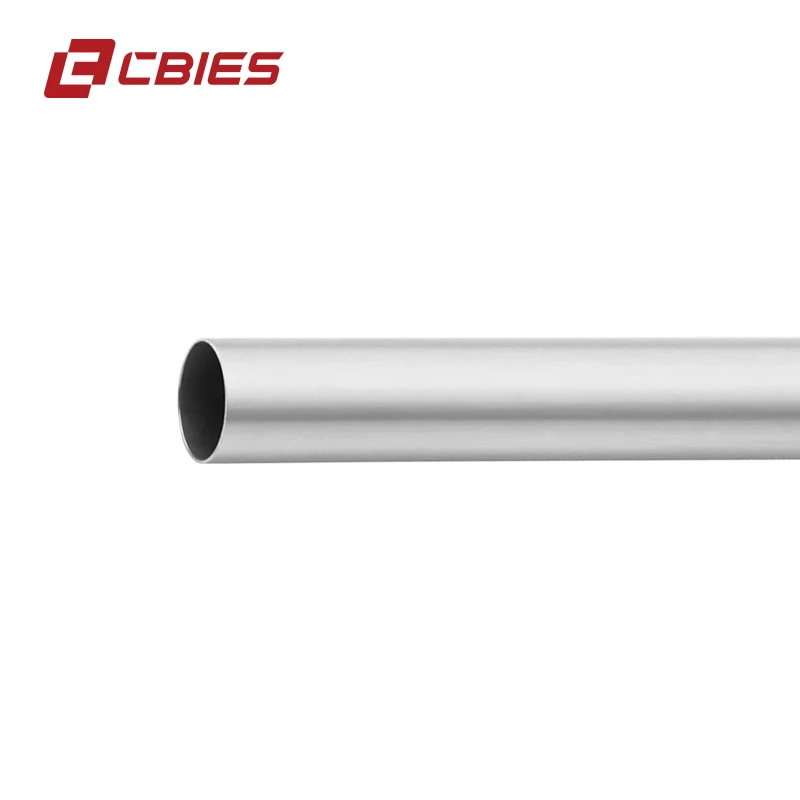
Cold Rolled Steel Tube Smooth Surface Reduces Friction In Applications
Dec . 12, 2025 20:30
In the world of precision engineering and high-performance manufacturing, the choice of tubular components is a critical determinant of product quality, efficiency, and longevity. Among the various options available, the cold rolled steel tube stands out for its exceptional characteristics, primarily its remarkably smooth surface finish that directly contributes to reduced operational friction. This superior surface quality is not merely an aesthetic advantage; it is a fundamental performance attribute that enhances the functionality and reliability of countless applications. As a leading supplier dedicated to excellence, CBIES provides high-grade cold rolled steel tube and pipe solutions, understanding that this material's unique properties are indispensable for industries where precision, durability, and smooth operation are non-negotiable. The cold rolling process itself imparts greater strength and dimensional accuracy compared to hot-formed alternatives, making these tubes a preferred choice for demanding mechanical and structural uses.
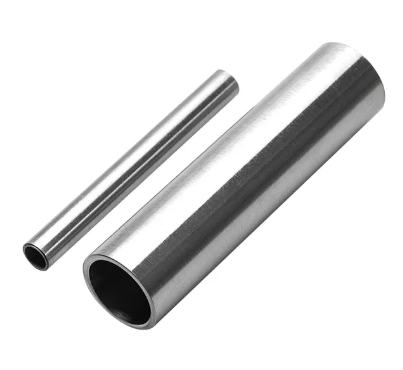
Understanding The Superior Properties Of A Cold Rolled Steel Tube
- The distinct advantages of a cold rolled steel tube are rooted in its sophisticated manufacturing process, which involves forming the steel at or near room temperature. This cold working technique significantly enhances the mechanical properties of the material, resulting in a product with higher yield strength and improved hardness.
- The process involves passing the steel through a series of rolls under high pressure, which not only shapes the tube but also refines its grain structure. This grain refinement is what grants the cold rolled steel tube its superior strength and excellent surface finish.
- The surface of a cold rolled steel tube is notably smooth and free from the scale commonly found on hot-rolled products, which is a direct benefit for applications requiring minimal friction and high precision. At CBIES, we meticulously control every stage of production to ensure our cold rolled steel tube offerings consistently meet tight dimensional tolerances and possess the uniform wall thickness that engineers and designers rely on for critical components in automation, automotive, and machinery.
Key Applications That Benefit From Using Cold Rolled Steel Pipe
- The exceptional characteristics of cold rolled steel pipe make it an ideal component across a diverse spectrum of high-performance industries. Its superior surface finish and dimensional accuracy are crucial in hydraulic and pneumatic systems, where a smooth internal surface minimizes friction, reduces pressure drop, and enhances the efficiency of fluid power transmission.
- This directly leads to lower energy consumption and improved system responsiveness. Furthermore, the cold rolled steel pipe is extensively used in the automotive sector for parts like shock absorber cylinders and precision shafts, where its consistency and strength contribute to vehicle safety and performance.
- The manufacturing and automation industries also heavily utilize cold rolled steel pipe for constructing linear motion components, robotic arms, and conveyor systems, where its rigidity and smooth surface ensure precise movement and long service life. CBIES works closely with clients in these fields to supply cold rolled steel pipe that meets the stringent requirements for reliability and precision in such dynamic applications.
The Manufacturing Process Behind Our High-Quality Cold Formed Tube
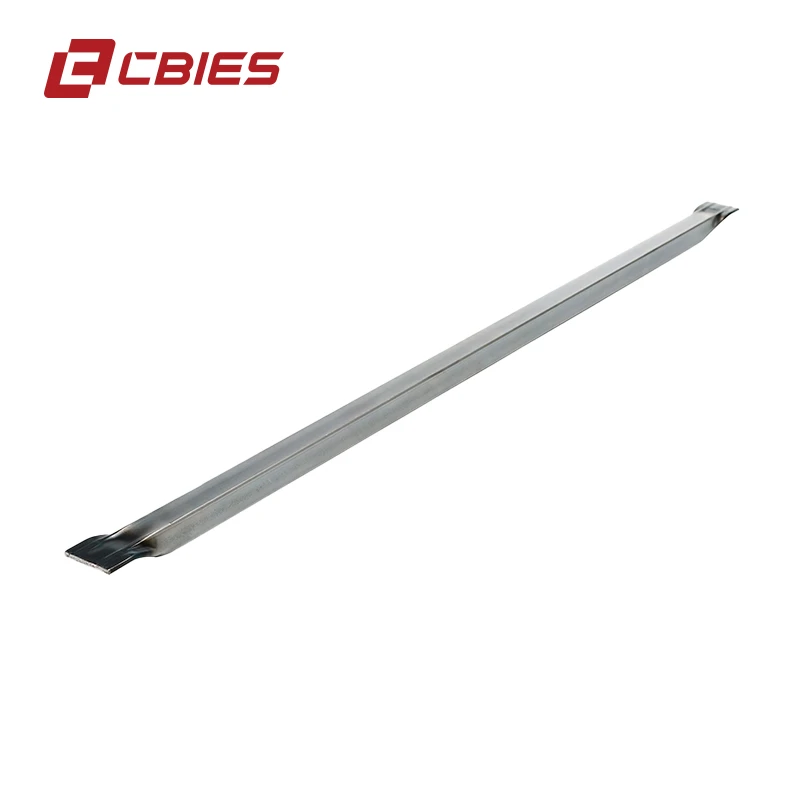
- The production of a high-quality cold formed tube is a precise and controlled operation that defines its final performance characteristics. The process typically begins with a strip of steel that is cold-rolled into a tubular shape and its edges are welded together, often using high-frequency induction welding, to create a strong, seamless-like bond.
- This welded seam is then processed, where the flash is carefully removed and the weld area is heat-treated to normalize the microstructure, ensuring the seam's properties match those of the parent metal.
- The tube is then drawn through a die or over a mandrel in a cold drawing process. This cold working stage is what significantly increases the tube's strength, improves its grain structure, and achieves the tight dimensional tolerances and excellent surface finish. At CBIES, our advanced manufacturing capabilities for cold formed tube are centered on rigorous quality control, ensuring that every length of tube we produce delivers the consistent performance and reliability that our global clientele depends on.
Cold Rolled Steel Pipe FAQs
What Are The Primary Benefits Of Using A Cold Rolled Steel Tube In Hydraulic Systems?
The cold rolled steel tube provides exceptional advantages for hydraulic applications. Its smooth internal surface significantly reduces fluid friction, enhancing system efficiency and reducing energy consumption. This superior finish also minimizes wear on seals and components, extending service life while maintaining reliable performance under high pressure conditions.
How Does The Surface Finish Of A Cold Rolled Steel Pipe Improve Performance?
The superior surface finish of cold rolled steel pipe directly enhances performance by reducing friction coefficients in mechanical systems. This smooth surface improves energy efficiency, lowers operating temperatures, and provides better corrosion resistance. The excellent surface quality also ensures optimal coating adhesion for enhanced durability.
What Quality Standards Does CBIES Maintain For Cold Formed Tube Production?
CBIES implements rigorous quality control throughout cold formed tube manufacturing. We maintain strict standards for dimensional accuracy, mechanical properties, and surface quality. Our comprehensive testing includes surface inspection, dimensional verification, and mechanical property testing to ensure consistent product performance and reliability.
How Does Cold Rolled Steel Pipe Compare To Hot Rolled Alternatives?
Cold rolled steel pipe offers significant advantages over hot-rolled alternatives. It provides superior surface finish, tighter dimensional tolerances, and enhanced mechanical properties. The cold working process increases strength and hardness while maintaining better concentricity and straightness, making it ideal for precision applications.
What Technical Support Does CBIES Provide For Cold Rolled Steel Tube Applications?
CBIES offers comprehensive technical support for cold rolled steel tube applications. Our engineering team provides material selection guidance, application analysis, and customized solutions. We assist with specification matching and offer professional advice to ensure optimal performance in specific operational environments and requirements.