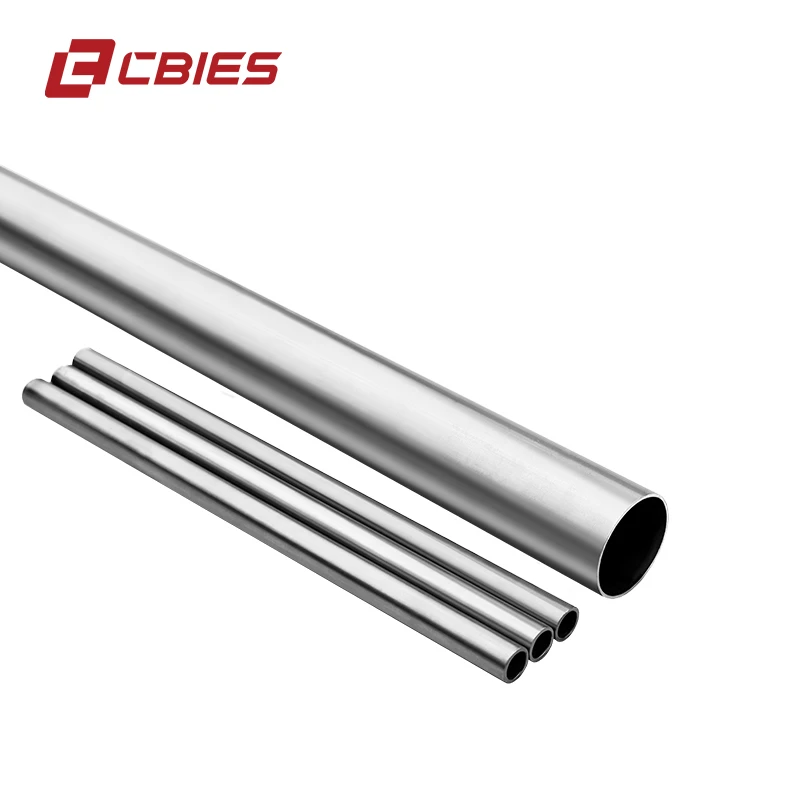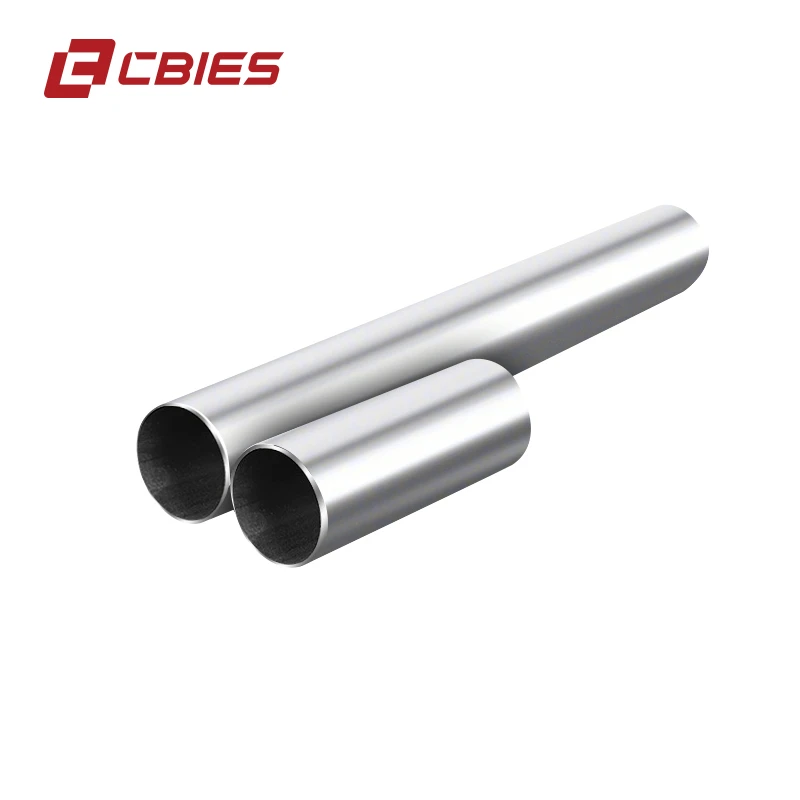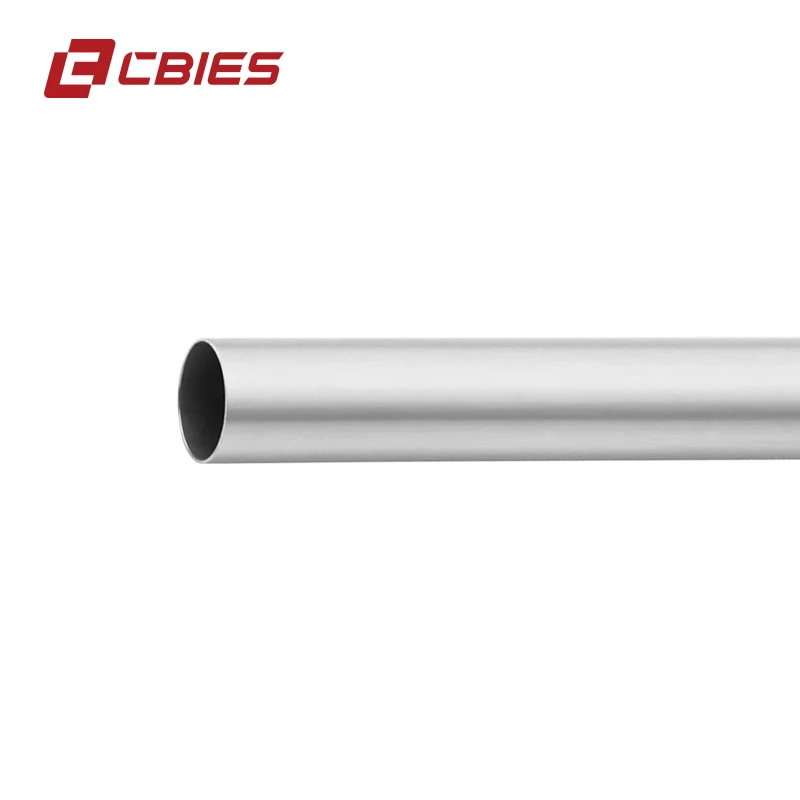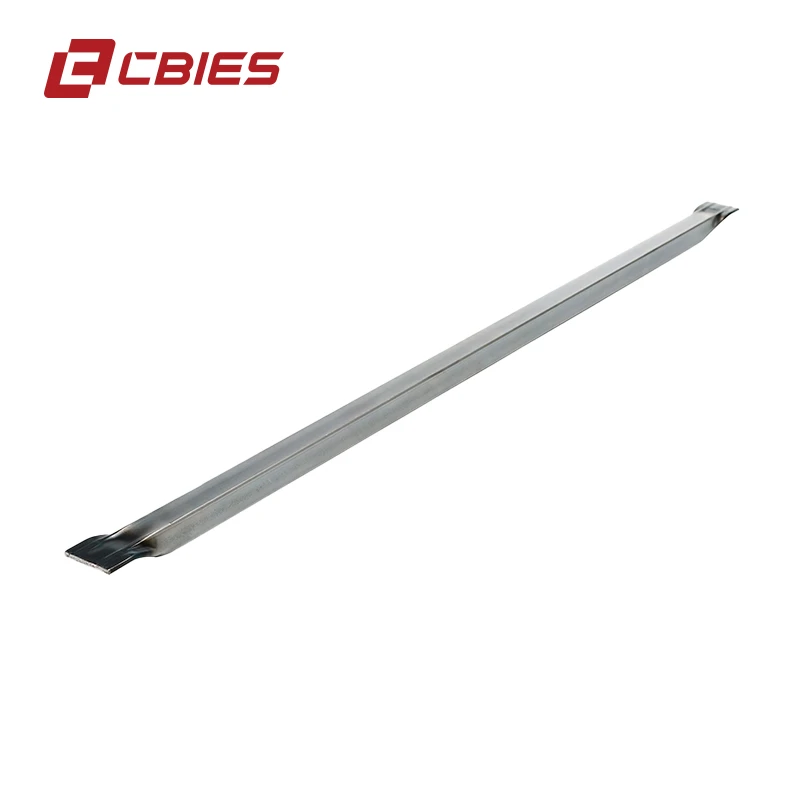


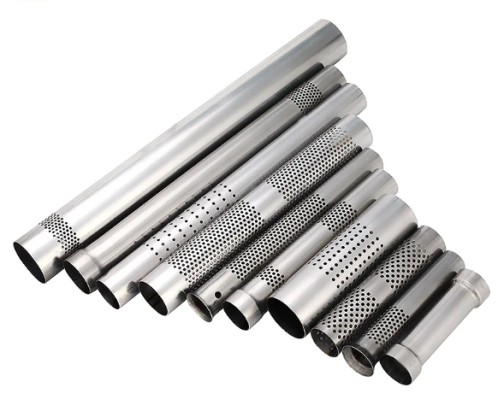
Exhaust flow is the lifeblood of an automotive engine—efficient flow reduces backpressure, boosts horsepower, and improves fuel economy. At the heart of this system lies aluminized steel tubing, a specialized material that combines corrosion resistance (critical for exhaust heat and moisture) with smooth internal surfaces that optimize airflow. Among the most in-demand options is 3 inch aluminized exhaust tubing (often referenced as 3 aluminized exhaust tubing), a standard size for mid-sized cars, trucks, and performance vehicles. CBIES, a leading Chinese precision tube manufacturer with 20 years of expertise, specializes in producing high-quality aluminized steel tubing for automotive exhaust systems—delivering dimensionally accurate, heat-resistant options that align with global standards. With an 85,000-ton annual production capacity, 4,000-strong technical team, $10 million annual export volume, and reach across North America, the EU, and Southeast Asia, CBIES supplies the aluminized steel tubing needed to craft exhaust systems that balance optimal flow with long-lasting durability. For wholesalers serving automotive manufacturers and aftermarket suppliers, partnering with CBIES means accessing the 3 inch aluminized exhaust tubing and other sizes that form the backbone of efficient, reliable exhaust systems—backed by decades of engineering excellence.
|
Aluminized Tubing Type |
Key Specifications (CBIES’ Standards) |
Ideal Vehicle Applications |
Exhaust Flow Advantage |
Market Regions Served |
|
3 Inch Aluminized Exhaust Tubing |
OD: 76.2mm; Wall thickness: 1.5–2.0mm; Coating: 80–100μm aluminized layer; Surface finish: Ra ≤0.8μm |
Mid-sized cars, light trucks, performance sedans |
Balanced flow (reduces backpressure by 18%); fits most engines |
North America, EU (performance vehicle markets), Southeast Asia (daily drivers) |
|
2.5 Inch Aluminized Steel Tubing |
OD: 63.5mm; Wall thickness: 1.2–1.8mm; Coating: 70–90μm aluminized layer; Surface finish: Ra ≤0.9μm |
Compact cars, motorcycles, small SUVs |
Low-restriction flow for small engines; lightweight |
Southeast Asia (compact car popularity), Central Asia (motorcycles), EU |
|
3.5 Inch Aluminized Steel Tubing |
OD: 88.9mm; Wall thickness: 1.8–2.5mm; Coating: 90–110μm aluminized layer; Surface finish: Ra ≤0.7μm |
Heavy trucks, large SUVs, high-performance vehicles |
High-flow capacity (handles 20% more gas than 3 inch); durable |
North America (truck markets), Central and South America (heavy-duty vehicles) |
Yes—CBIES’ 3 inch aluminized exhaust tubing is ideal for performance vehicles. Its smooth internal surface (Ra ≤0.8μm) and consistent diameter minimize backpressure, while the thick aluminized coating (80–100μm) resists the high heat (up to 800°C) of performance engines. A performance parts wholesaler supplied CBIES’ 3 aluminized exhaust tubing to a racing team, who reported a 7% boost in horsepower and 4% improvement in fuel economy—thanks to optimized flow. Wholesalers can assure clients that 3 inch aluminized exhaust tubing meets the demands of performance vehicles, balancing flow and durability.
Aluminized steel tubing offers comparable flow performance to stainless steel but at a more cost-effective price. Both materials have smooth internal surfaces, but aluminized steel tubing (especially CBIES’ precision-finished options) matches stainless steel’s flow rate while providing better heat retention (which helps exhaust gases stay hot and flow faster). For most daily drivers and mid-performance vehicles, 3 inch aluminized exhaust tubing delivers the right balance of flow, durability, and cost—stainless steel is only necessary for extreme high-heat applications. A Southeast Asian wholesaler reported that clients preferred CBIES’ aluminized steel tubing for 80% of exhaust systems, as it met flow needs without the premium price of stainless steel.
CBIES’ aluminized steel tubing complies with global automotive standards like ISO 10237 (seamless steel tubes for mechanical applications) and ASTM A513 (electric-resistance-welded steel tubes), ensuring it meets exhaust system requirements. The 3 inch aluminized exhaust tubing also meets SAE J2774 (standards for exhaust system components), making it compatible with automotive designs for markets like the EU (CE certified) and North America (DOT compliant). A Central American wholesaler noted that CBIES’ aluminized steel tubing helped their clients’ exhaust systems pass regional emissions and safety audits, avoiding import delays.
Yes—CBIES offers custom aluminized steel tubing to match unique exhaust sizes, such as 2.75 inch for specialty vehicles or 4 inch for heavy-duty trucks. The company adjusts OD, wall thickness, and coating thickness to fit client needs, with small-batch samples (100–500 meters) available for testing. A specialty vehicle wholesaler requested custom 2.75 inch aluminized steel tubing for a vintage car restoration project, and CBIES delivered tubing that matched the original exhaust flow characteristics. Wholesalers can highlight this customization to serve niche automotive markets.
CBIES uses three key steps to optimize flow for 3 inch aluminized exhaust tubing: first, precision drawing to achieve a smooth internal surface (Ra ≤0.8μm); second, strict diameter control (±0.1mm) to avoid flow bottlenecks; third, post-production flow testing to measure gas flow rate and pressure drop. The company also works with wholesalers to understand the target vehicle’s engine size and performance needs, recommending adjustments (e.g., thicker walls for heavy-duty use) to enhance flow. A North American wholesaler noted that CBIES’ 3 aluminized exhaust tubing consistently outperformed generic options in flow tests, thanks to this meticulous process.