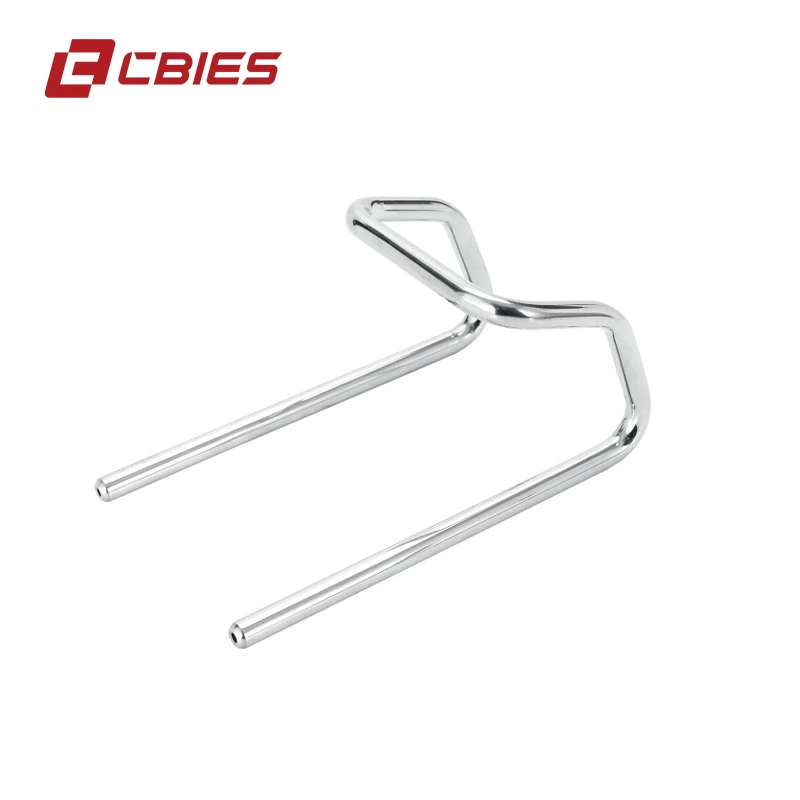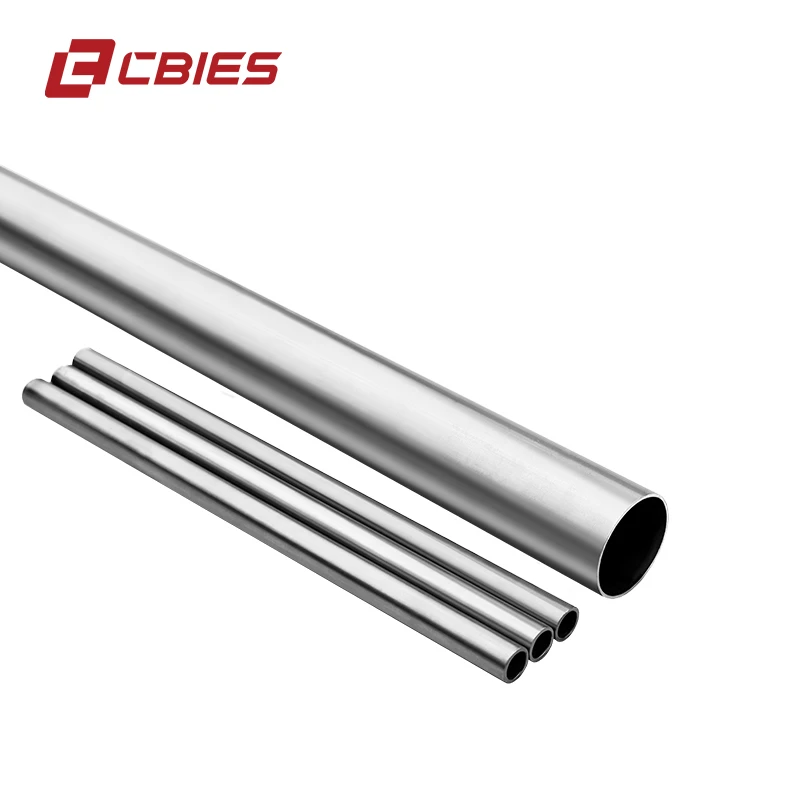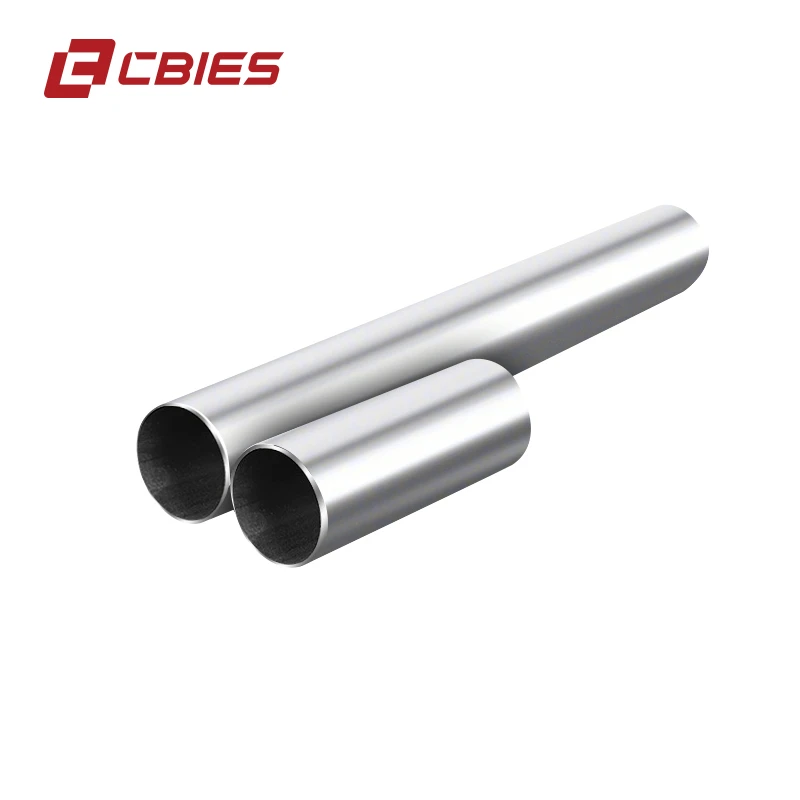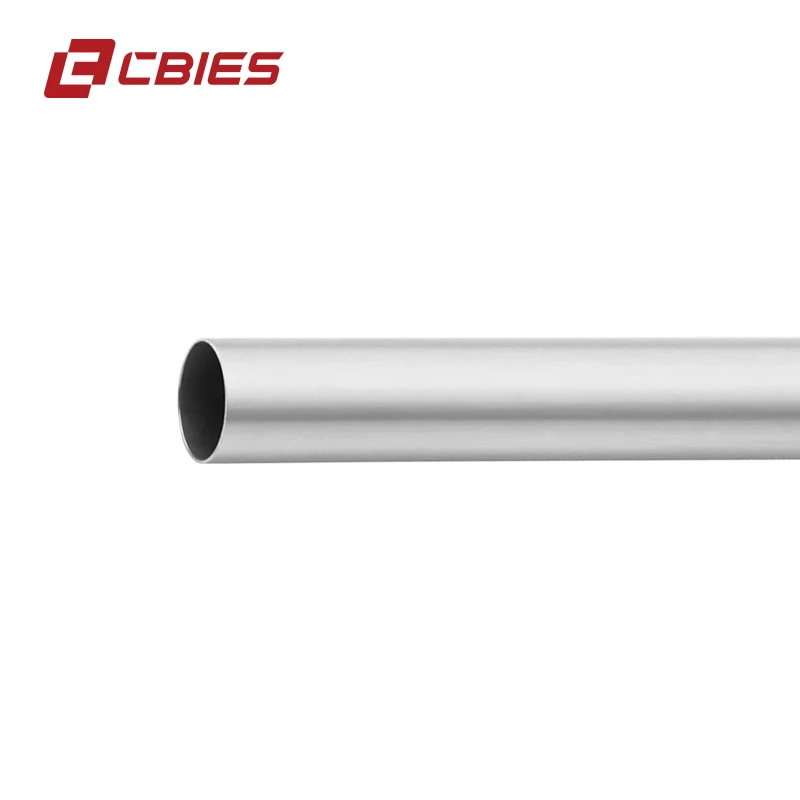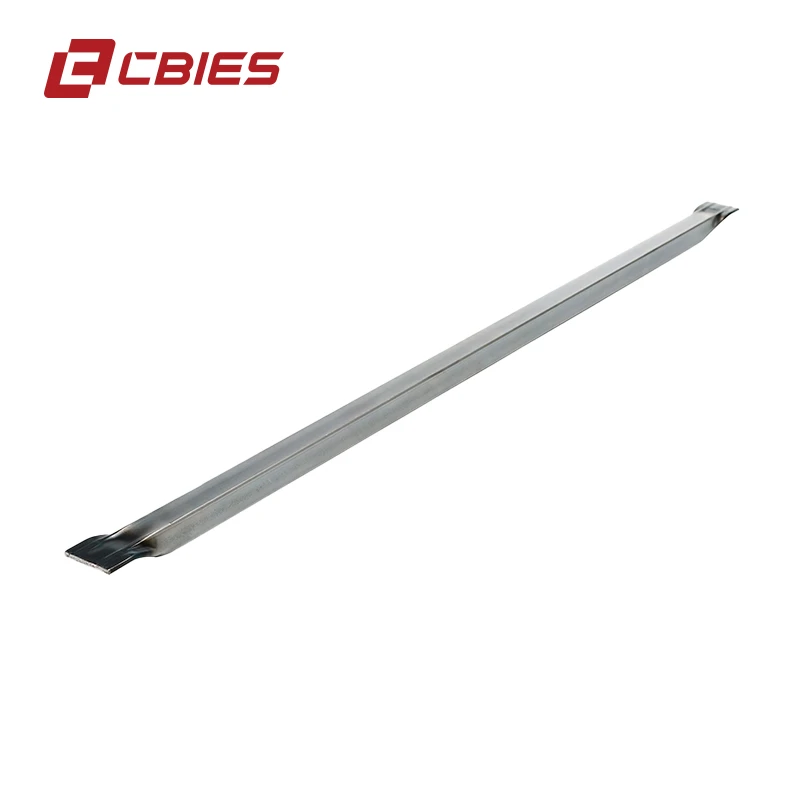


The dimensions of a handlebar of motorcycle—from width and height to grip length—directly impact rider comfort, control, and safety. But behind these dimensions lies a critical foundation: the structure steel tube (or structural tubing) that forms the handlebar’s core. High-quality structural steel tubing ensures that even perfectly sized handlebars maintain strength, stability, and durability under riding stresses. CBIES, a leading Chinese precision tube manufacturer with 20 years of expertise, specializes in producing structure steel tube for motorcycle handlebars—delivering dimensionally accurate, high-strength options that align with global standards. With an 85,000-ton annual production capacity, 4,000-strong technical team, $10 million annual export volume, and reach across North America, the EU, and Southeast Asia, CBIES supplies the structural tubing needed to craft handlebars that balance optimal dimensions with reliable performance. For wholesalers serving motorcycle manufacturers and aftermarket suppliers, partnering with CBIES means accessing the structural steel tubing that forms the backbone of well-sized, long-lasting motorcycle handlebars—backed by decades of engineering excellence.
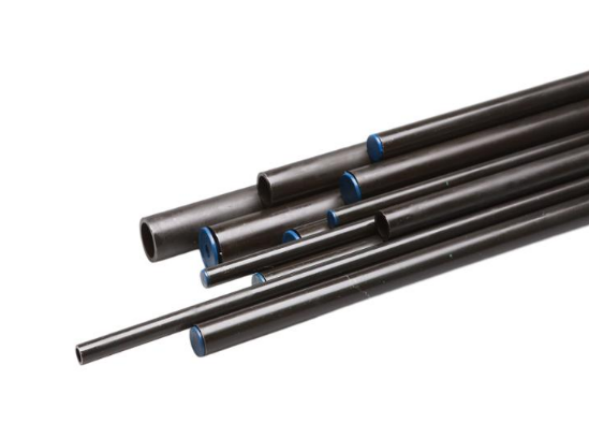
|
Structural Tubing Type |
Key Specifications (CBIES’ Standards) |
Ideal Handlebar Dimensions It Supports |
Motorcycle Application |
Market Regions Served |
|
Seamless Structure Steel Tube |
OD: 18–24mm; Wall thickness: 2.0–2.5mm; Material: Low-carbon steel (S235JR); Straightness: ±0.5mm/m |
Width: 600–700mm; Height: 100–150mm (sport bike handlebars) |
Sport bikes, racing motorcycles |
EU, North America (sport bike markets), Central Asia (racing communities) |
|
Thick-Wall Structural Steel Tubing |
OD: 20–22mm; Wall thickness: 2.5–3.0mm; Material: High-strength steel (S355JR); Straightness: ±0.3mm/m |
Width: 750–850mm; Height: 200–300mm (dual-sport/off-road handlebars) |
Dual-sport, off-road motorcycles |
Southeast Asia (off-road trails), Central America (mixed terrain), North America |
|
Thin-Wall Structural Tubing |
OD: 19–21mm; Wall thickness: 1.8–2.2mm; Material: Mild steel (S275JR); Straightness: ±0.4mm/m |
Width: 700–800mm; Height: 150–250mm (cruiser/touring handlebars) |
Cruisers, touring motorcycles |
North America, EU (cruiser popularity), Southeast Asia (leisure riding) |
Yes—CBIES offers custom structural steel tubing to match unique handlebar dimensions, such as extra-wide (900mm) bars for heavy-duty off-road bikes or ultra-narrow (550mm) bars for compact urban motorcycles. The company adjusts OD (16–26mm), wall thickness (1.5–3.5mm), and straightness to fit specific size needs, with small-batch samples (100–500 tubes) available for testing. A Japanese wholesaler requested custom structure steel tube for 580mm-wide urban bike handlebars, and CBIES delivered tubes that met the exact dimension, with no compromise on strength. Wholesalers can assure clients that custom structural tubing lets them cater to niche handlebar size demands.
High-quality structural tubing (like CBIES’ offerings) ensures handlebar dimensions remain stable over time. The structure steel tube’s resistance to corrosion (via galvanization or coating) and fatigue (from vibration) prevents warping or shrinking that would alter width, height, or grip length. CBIES’ structural steel tubing retains dimension integrity for 5+ years of regular use, while generic tubing may stretch or bend by 3–5mm in 2 years. A Southeast Asian wholesaler reported that handlebars using CBIES’ structural tubing maintained their original dimensions through 20,000+ km of riding, unlike generic ones that required size adjustments. Wholesalers can explain this, as durable structural tubing ensures handlebar dimensions stay functional long-term.
CBIES’ structural steel tubing complies with global standards like ISO 10237 (seamless steel tubes for mechanical applications) and ASTM A513 (electric-resistance-welded steel tubes), ensuring it meets dimension requirements for motorcycle handlebars. The structure steel tube’s OD, wall thickness, and straightness align with these standards, making it compatible with handlebar designs for markets like the EU (CE certified) and North America (DOT compliant). A Central American wholesaler noted that CBIES’ structural tubing helped their clients’ handlebars pass regional dimension and safety audits, avoiding import delays. Wholesalers can highlight this compliance, as standard-aligned structural steel tubing ensures handlebars meet global size and safety rules.
Yes—structural tubing thickness directly affects how handlebar dimensions perform. Thicker walls (2.5–3.0mm) for wide handlebars (750–850mm) provide rigidity to maintain width during turns, while thinner walls (1.8–2.2mm) for narrow bars (600–700mm) reduce weight without sacrificing strength. CBIES’ structural steel tubing offers precise thickness control (±0.05mm), ensuring the right balance for each dimension. A machinery wholesaler reported that handlebars with CBIES’ thick-wall structure steel tube (2.8mm) retained width during off-road impacts, while thin-wall (2.0mm) tubes for narrow bars kept weight low for sport bikes. Wholesalers can explain this, as tailored thickness ensures handlebar dimensions perform as intended.
CBIES works with wholesalers to align structural steel tubing with handlebar dimension requirements, starting with understanding the target handlebar width, height, and grip length. The company then recommends structure steel tube specs (OD, wall thickness, material) that support those dimensions, with testing to validate fit. For example, if a wholesaler needs tubing for 800mm-wide cruiser handlebars, CBIES suggests 22mm OD, 2.5mm wall structural tubing to balance width and rigidity. The company also provides dimensional reports for every batch, confirming tubing matches handlebar needs. A European wholesaler noted that CBIES’ collaborative approach ensured structural tubing perfectly supported their clients’ handlebar dimensions, reducing rework.