Vehicle spare parts are essential components in maintaining the operational integrity and safety of automobiles and other vehicles worldwide. From everyday replacements like brake pads and filters to more complex components like engines and transmissions, these parts underpin the functionality of the global transportation network. Understanding the sourcing, quality, and availability of vehicle spare parts is critical for vehicle owners, maintenance professionals, and manufacturers alike.
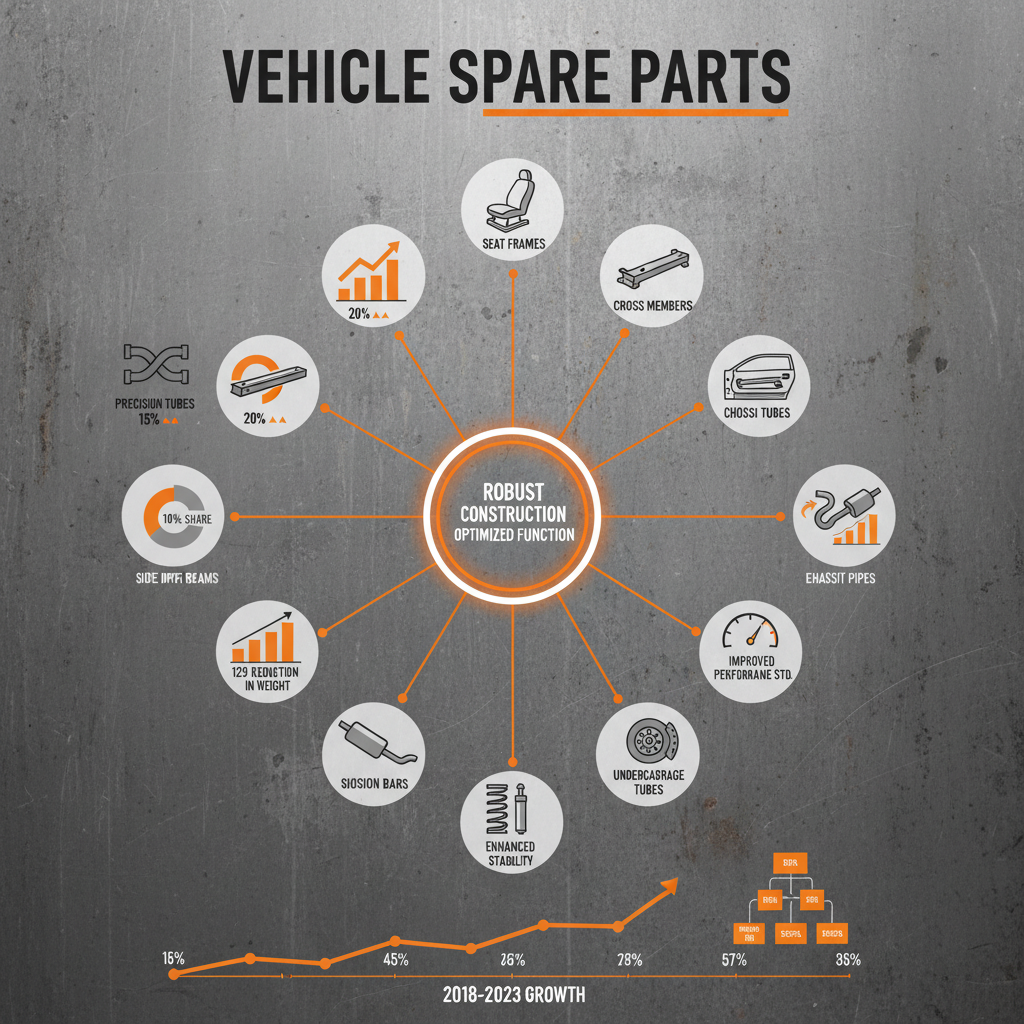
The global vehicle spare parts market is a multi-billion dollar industry, driven by factors like vehicle age, mileage, and the increasing demand for reliable transportation. With a growing global vehicle parc, especially in emerging economies, the demand for replacement parts continues to rise. Furthermore, advancements in vehicle technology require specialized spare parts, pushing innovation and efficiency in the manufacturing processes.
Effective management of vehicle spare parts supply chains is also crucial. Disruptions, whether due to geopolitical events or natural disasters, can significantly impact vehicle maintenance and repair. Ensuring a consistent and readily available supply of high-quality parts is therefore paramount for minimizing downtime and maximizing vehicle lifespan.
The Global Significance of Vehicle Spare Parts
The significance of vehicle spare parts extends far beyond simply repairing broken-down cars. It’s fundamentally linked to the functionality of global commerce, personal safety, and environmental sustainability. According to the United Nations Statistics Division, the number of registered road vehicles worldwide surpassed 1.4 billion in 2021, highlighting the enormous demand for these components.
The automotive aftermarket, which heavily relies on spare parts, represents a substantial portion of the overall automotive industry. A 2023 report by the World Bank estimates the global automotive aftermarket to be worth over $400 billion, and this figure is projected to grow steadily in the coming years. This growth is fuelled by factors such as increasing vehicle ownership in emerging economies and the lengthening lifespan of vehicles.
Defining Vehicle Spare Parts
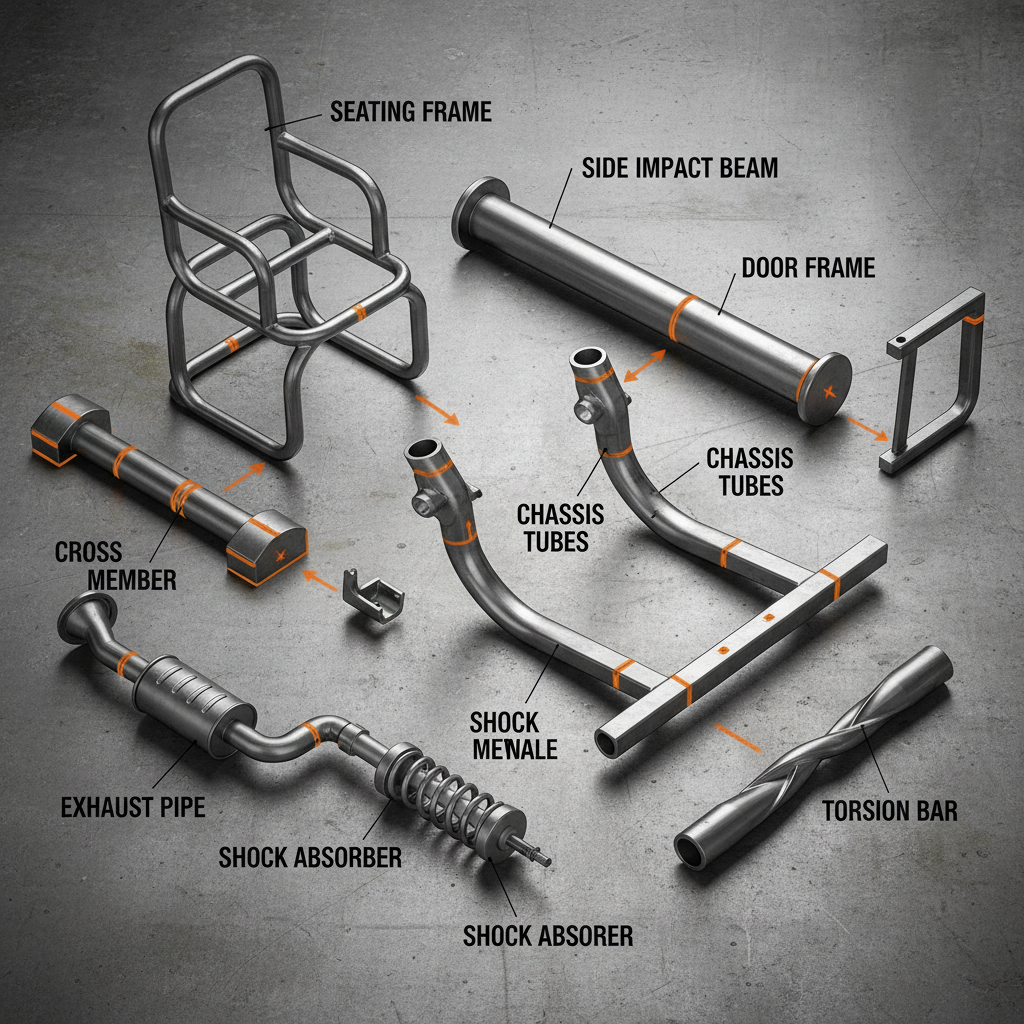
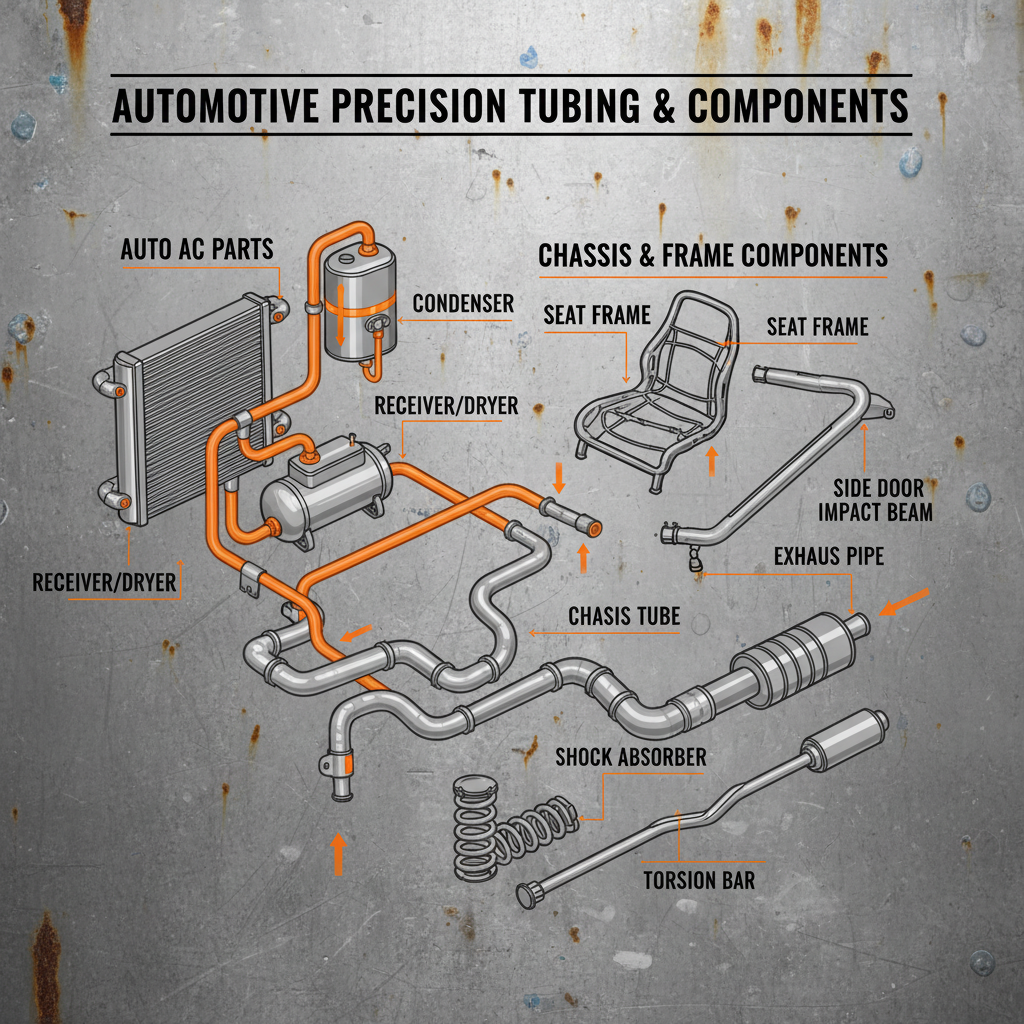
Vehicle spare parts encompass any detachable component used to repair or replace a part of a motor vehicle. This broad definition includes everything from small items like spark plugs and windshield wipers to large and complex assemblies like engines, transmissions, and axles. Crucially, spare parts are designed to meet or exceed the original equipment manufacturer (OEM) specifications, ensuring compatibility and performance.
These parts are integral to the safe and reliable operation of vehicles, contributing to both preventative maintenance and corrective repairs. A well-maintained vehicle, utilizing quality spare parts, reduces the risk of accidents and breakdowns, enhancing road safety for drivers and passengers. The availability of these parts is also essential for minimizing vehicle downtime and maintaining mobility.
The concept of vehicle spare parts directly supports modern industrial practices. The ability to readily repair and maintain vehicles extends their useful life, reducing the need for frequent replacements and contributing to a more sustainable approach to transportation.
Key Characteristics of Quality Vehicle Spare Parts
The quality of vehicle spare parts is paramount. Several key characteristics differentiate high-quality parts from substandard alternatives. Firstly, durability is crucial; parts must withstand the stresses of regular use and varying environmental conditions. Secondly, precise fit and compatibility are essential to ensure proper functionality and avoid further damage.
Material quality is another critical factor. High-quality parts are typically manufactured using robust materials that meet or exceed OEM specifications. This often involves rigorous testing and quality control procedures throughout the production process. Furthermore, adherence to industry standards like ISO 9001 demonstrates a commitment to consistent quality management.
Finally, the reputation of the manufacturer and supplier plays a significant role. Established brands with a proven track record of reliability are generally more trustworthy than unknown or unverified sources. Choosing reputable suppliers minimizes the risk of receiving counterfeit or substandard parts that could compromise vehicle safety and performance.
Applications Across Vehicle Types
The need for vehicle spare parts is universal, spanning all types of vehicles. Passenger cars require a wide range of components, from engine parts and brake systems to electrical components and body panels. Commercial vehicles, such as trucks and buses, demand even more durable and robust parts to withstand the rigors of heavy-duty operation.
Motorcycles also rely heavily on spare parts for maintenance and repair. Components like tires, brake pads, chains, and sprockets require regular replacement to ensure safe and efficient operation. Agricultural vehicles and construction equipment, though often specialized, similarly depend on a consistent supply of spare parts to minimize downtime and maintain productivity.
Vehicle Spare Parts Demand by Vehicle Type
Advantages of Using Reliable Vehicle Spare Parts
Employing reliable vehicle spare parts offers significant advantages. Foremost is enhanced safety – quality parts ensure components function correctly, reducing the risk of accidents. Secondly, using the correct parts increases vehicle lifespan, maximizing the return on investment.
From a financial perspective, while higher-quality parts may initially have a higher cost, they often prove more cost-effective in the long run due to reduced maintenance and repair frequency. Moreover, using appropriate parts maintains the vehicle’s resale value and supports compliance with safety regulations.
Global Supply Chain and Market Dynamics
The global supply chain for vehicle spare parts is complex and interconnected. Raw materials are sourced from various countries, often undergoing multiple stages of manufacturing and assembly before reaching the end consumer. Major manufacturing hubs include China, Germany, Japan, and the United States.
Market dynamics are influenced by factors like economic conditions, government regulations, and technological advancements. The rise of e-commerce has also dramatically altered the landscape, providing consumers with greater access to parts and suppliers. Furthermore, the increasing adoption of electric vehicles is creating new demands and challenges for the spare parts industry.
Recent geopolitical events and global disruptions have highlighted the vulnerabilities of the supply chain, emphasizing the need for diversification and resilience. Companies are increasingly focusing on building stronger relationships with suppliers and investing in technologies to improve supply chain visibility and efficiency.
Future Trends in Vehicle Spare Parts Manufacturing
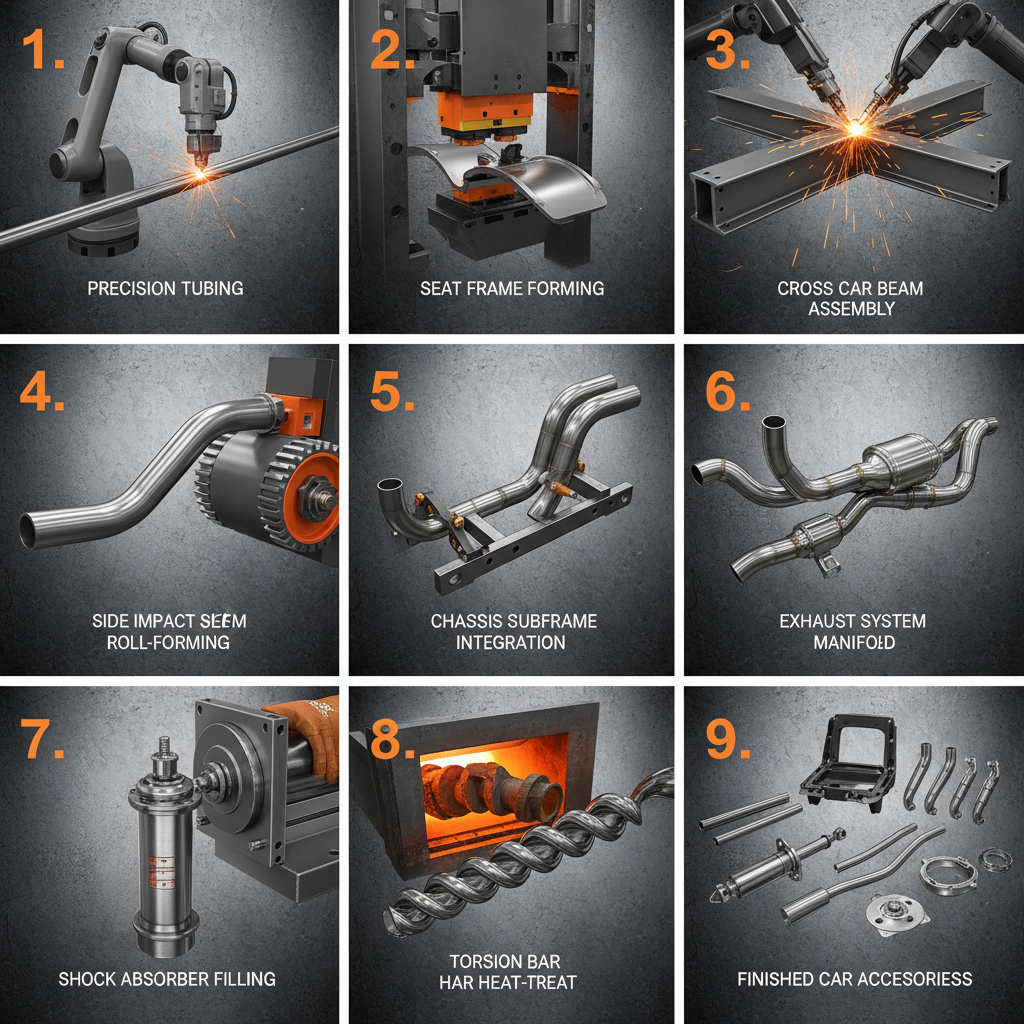
The future of vehicle spare parts manufacturing is being shaped by several key trends. Additive manufacturing (3D printing) is gaining traction, enabling the production of customized and on-demand parts. This technology reduces waste, shortens lead times, and offers greater design flexibility.
Another important trend is the increasing use of advanced materials, such as lightweight alloys and composites, to improve part performance and reduce vehicle weight. Furthermore, digitalization and automation are revolutionizing manufacturing processes, enhancing efficiency and quality control.
Sustainability is also becoming a major driver of innovation, with manufacturers exploring eco-friendly materials and production methods. The development of remanufacturing and recycling programs is gaining momentum, promoting circular economy principles and reducing environmental impact.
Key Considerations in Vehicle Spare Parts Manufacturing
| Manufacturing Technology |
Material Composition |
Quality Control Metrics |
Sustainability Impact |
| Traditional Machining |
Cast Iron |
Dimensional Accuracy (9/10) |
High Waste Generation (2/10) |
| CNC Milling |
Aluminum Alloys |
Surface Finish Quality (8/10) |
Moderate Waste Generation (5/10) |
| Additive Manufacturing (3D Printing) |
High-Performance Polymers |
Design Complexity (10/10) |
Low Waste Generation (8/10) |
| Automated Assembly Lines |
Carbon Fiber Composites |
Production Throughput (7/10) |
Energy Consumption (6/10) |
| Robotic Welding |
High-Strength Steel |
Weld Integrity (9/10) |
Material Recyclability (7/10) |
| AI-Powered Quality Inspection |
Recycled Materials |
Defect Detection Accuracy (9.5/10) |
Reduced Environmental Footprint (9/10) |
FAQS
The lifespan of vehicle spare parts varies greatly depending on the part itself, the vehicle's usage, and driving conditions. Generally, components like brake pads and filters require more frequent replacement (every 10,000-20,000 miles), while parts such as engines and transmissions can last for 100,000 miles or more with proper maintenance. Regular inspections and adherence to manufacturer recommendations are crucial for maximizing component life.
To avoid counterfeit or substandard parts, purchase from authorized dealers, reputable online retailers, or directly from the vehicle manufacturer. Look for packaging with clear branding and part numbers that match the original specifications. Checking the manufacturer's website for a list of authorized distributors can also help. Always be wary of significantly discounted prices, as they may indicate a lower-quality product.
OEM (Original Equipment Manufacturer) parts are made by the same manufacturer as the original components installed in the vehicle, ensuring perfect compatibility and quality. Aftermarket parts are produced by third-party manufacturers and may offer a more affordable alternative. While aftermarket parts can be reliable, they may not always meet the same standards as OEM parts. Using OEM parts often maintains the vehicle's warranty and resale value.
Environmental factors significantly impact the lifespan of vehicle spare parts. Exposure to extreme temperatures, humidity, salt (in coastal areas), and road debris can accelerate wear and corrosion. Regular cleaning and protective treatments, such as rustproofing, can help mitigate these effects. Using parts specifically designed for harsh environments can also extend their lifespan.
Remanufactured spare parts are used components that have been disassembled, cleaned, repaired, and reassembled to meet original performance specifications. They offer a more sustainable and cost-effective alternative to new parts. Remanufactured parts typically come with a warranty and can provide comparable reliability to new parts, making them a viable option for budget-conscious vehicle owners.
Yes, various regulations govern the quality and safety of vehicle spare parts. In many countries, parts must meet specific standards set by regulatory bodies. Manufacturers are often required to comply with industry standards like ISO 9001 to demonstrate their commitment to quality control. These regulations aim to ensure that parts are safe, reliable, and perform as intended.
Conclusion
In conclusion, vehicle spare parts are not merely components; they represent a critical infrastructure supporting global mobility, safety, and economic stability. Understanding their significance, quality considerations, and future trends is vital for anyone involved in the automotive industry, from manufacturers and suppliers to vehicle owners and maintenance professionals. Investing in reliable parts ensures vehicle longevity, reduces risks, and promotes sustainable practices.
Looking ahead, innovation in materials, manufacturing processes, and supply chain management will continue to shape the future of the vehicle spare parts industry. Embracing these advancements and prioritizing sustainability will be key to meeting the evolving needs of a rapidly changing automotive landscape. Visit our website at www.cbiestube.com to explore our comprehensive range of high-quality vehicle spare parts and solutions.