Auto air conditioning parts are the unsung heroes keeping us comfortable on the road. It’s more than just a cool breeze on a hot day; it's about driver safety, preserving vehicle components, and now, increasingly, about reducing environmental impact. From the compressor to the condenser, every component plays a vital role in maintaining a functional system. I’ve seen firsthand how a failing AC system drains a driver, leading to fatigue and impaired judgment, and I've spent countless hours troubleshooting issues caused by substandard parts. Understanding these systems isn’t just theoretical – it's essential for anyone involved in vehicle maintenance, from the weekend mechanic to a fleet manager dealing with hundreds of vehicles.
The global automotive air conditioning market is a multi-billion dollar industry, with consistent growth driven by rising vehicle ownership, particularly in emerging economies. According to a report by Grand View Research, the global automotive AC market was valued at USD 23.6 billion in 2022 and is expected to grow at a compound annual growth rate (CAGR) of 4.8% from 2023 to 2030. This growth is fueled by increasing demand for comfort features and stringent regulations regarding refrigerant emissions. However, it also presents challenges – the need for more efficient, environmentally friendly refrigerants, and a robust supply chain capable of delivering reliable auto air conditioning parts to a rapidly expanding market.
These parts aren't some fancy afterthought; they’re a crucial system. We're talking about components that directly affect driver performance and the lifespan of other expensive engine parts. If your AC compressor fails, it doesn't just mean you're sweating. It can send debris through the system, wrecking the condenser, evaporator, and even the engine itself. I’ve seen it happen, and it’s always a costly mess. That’s why choosing quality auto air conditioning parts is never a place to cut corners.
Introduction to Auto Air Conditioning Parts
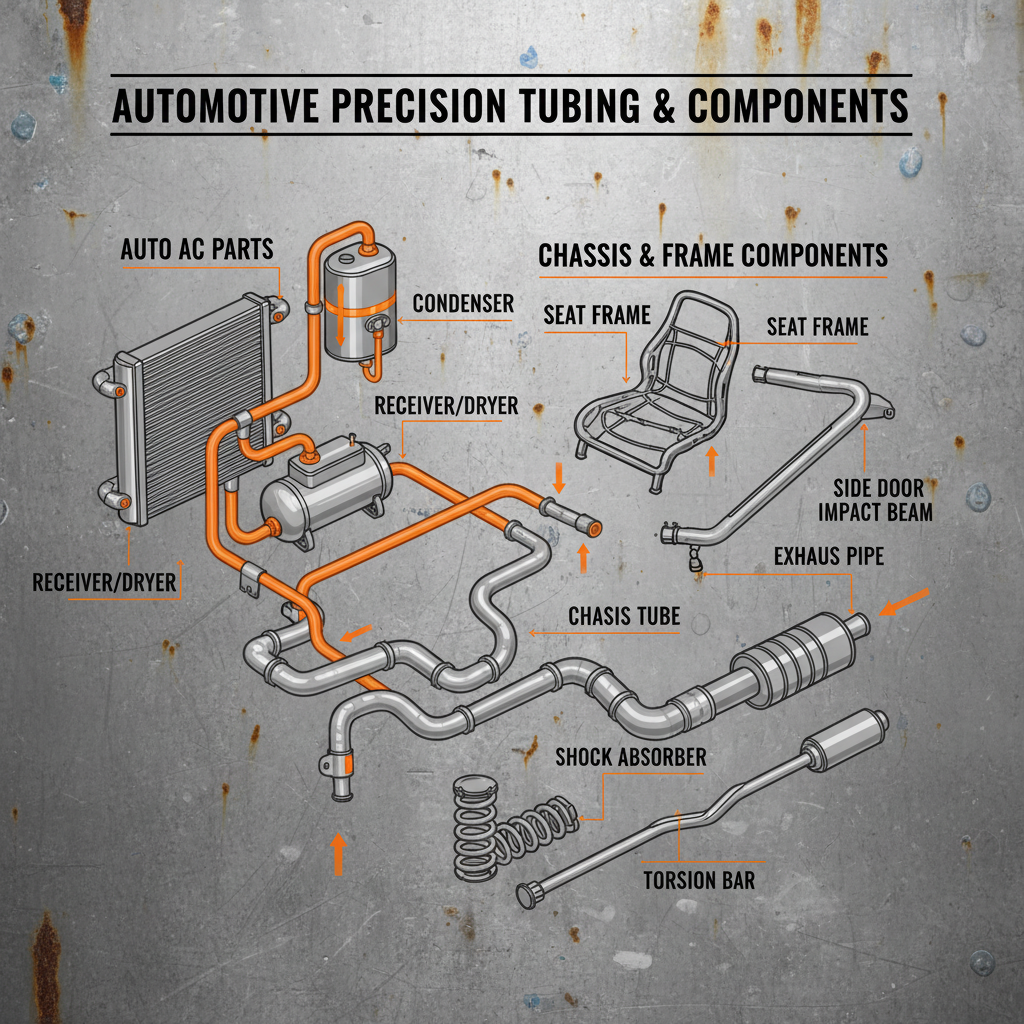
Look, I've been wrenching on vehicles for over 20 years. The most common complaints I get aren’t about engines or transmissions – they’re about AC systems. A comfortable cabin isn’t a luxury anymore, it’s a necessity for safe driving. Auto air conditioning parts include everything from the compressor, which pumps the refrigerant, to the condenser, which dissipates heat, the evaporator, which cools the air, and the expansion valve, which controls refrigerant flow. Understanding how these pieces work together – and what can go wrong – is critical for keeping vehicles running efficiently and drivers happy.
I’ve seen too many guys try to save a few bucks on cheap parts, only to end up spending more in the long run. A faulty compressor can take out the whole system. A leaking condenser leads to refrigerant loss and environmental damage. Quality auto air conditioning parts are a long-term investment, not just a quick fix.
The Global Relevance of Auto Air Conditioning Systems
The need for automotive climate control isn't limited to any one region. As global temperatures rise, the demand for effective AC systems is increasing worldwide. In hotter climates, AC is essential for driver and passenger safety, preventing heatstroke and fatigue. Even in cooler regions, AC is crucial for defogging windows and maintaining comfortable cabin conditions. This drives a consistent demand for auto air conditioning parts across the globe. We’re seeing particularly strong growth in countries like India and China, where vehicle ownership is rapidly increasing and consumers prioritize comfort.
The automotive industry is facing growing pressure to reduce its environmental impact. This translates directly to the air conditioning system. Regulations regarding refrigerant types are becoming stricter, pushing manufacturers to adopt more environmentally friendly alternatives. The shift away from R-134a refrigerant, which has a high global warming potential, towards R-1234yf and CO2 systems is a prime example. This change requires specialized auto air conditioning parts and servicing expertise.
The logistical challenges of a global supply chain are huge. Parts need to get to dealerships and repair shops reliably and quickly. Disruptions, like we've seen recently with shipping delays and material shortages, can have a major impact on the availability of auto air conditioning parts and the cost of repairs. That's why building strong relationships with reputable suppliers is so important.
Defining Auto Air Conditioning Parts
Auto air conditioning parts encompass all the components required to create and maintain a cooled environment within a vehicle’s cabin. It’s a closed-loop system, meaning the refrigerant continuously circulates. Think of it like your refrigerator, but on wheels. Key parts include the compressor, condenser, evaporator, expansion valve, receiver/drier, hoses, and the refrigerant itself. Each part has a specific function, and the system only works effectively when all components are in good condition.
The system’s functionality is intrinsically linked to the overall safety and efficiency of the vehicle. A malfunctioning AC system can cause driver distraction, reduced visibility due to fogged windows, and even contribute to heat-related illnesses. Modern vehicles integrate the AC system with other systems, such as the engine management system, making proper diagnosis and repair even more critical. auto air conditioning parts are therefore a crucial aspect of maintaining vehicle performance and occupant well-being.
Beyond simply cooling the air, many modern auto air conditioning systems also provide heating and ventilation functions. This makes them integral to the vehicle’s overall climate control system, offering year-round comfort. The evolution of these systems has been driven by both consumer demand for comfort and increasingly stringent environmental regulations.
Key Factors in Auto Air Conditioning Part Performance
When it comes to auto air conditioning parts, several factors directly impact their performance and longevity. First is Durability. The system operates under high pressure and extreme temperatures. Parts need to withstand this constant stress without failing. Second, Compatibility is key. You can't just slap any old compressor into any vehicle – it has to be the right fit for the specific make and model. Third, Efficiency matters. A high-efficiency compressor will put less strain on the engine and improve fuel economy.
Another critical factor is Material Quality. Cheap materials break down quickly, leading to leaks and system failures. We look for components made from high-grade aluminum, steel, and rubber. Then there’s Refrigerant Compatibility. Using the wrong refrigerant can damage the system and void warranties. Finally, Sealing Integrity is paramount. Even a small leak can drastically reduce system performance and release harmful refrigerants into the atmosphere.
Auto Air Conditioning Part Failure Rates by Component
Global Applications and Use Cases
Auto air conditioning parts are essential in a wide range of applications, from passenger vehicles and commercial trucks to buses and even heavy equipment. In hot climates, like the Middle East and Southeast Asia, AC is a necessity for maintaining driver and passenger comfort. In regions with harsh winters, AC systems also play a crucial role in defogging windows and maintaining visibility.
The demand for high-quality auto air conditioning parts is particularly strong in the logistics and transportation industry. Fleet operators rely on reliable AC systems to ensure driver comfort and productivity. In remote industrial zones, where vehicles are often subjected to extreme conditions, durable and dependable AC components are essential for minimizing downtime.
Advantages and Long-Term Value
Investing in quality auto air conditioning parts offers numerous advantages. Reduced repair costs are a big one – cheap parts fail more often, leading to frequent replacements. Increased vehicle lifespan is another benefit. A properly functioning AC system can help protect other engine components from overheating. And, of course, there’s the improved driver and passenger comfort, which translates to increased productivity and safety.
The long-term value extends beyond just cost savings. Choosing environmentally friendly refrigerants and efficient components demonstrates a commitment to sustainability. This can enhance a company’s reputation and attract environmentally conscious customers. Ultimately, reliable auto air conditioning parts contribute to a safer, more comfortable, and more sustainable transportation experience.
Future Trends and Innovations
The future of auto air conditioning is focused on efficiency and sustainability. We're seeing a growing trend towards CO2-based AC systems, which have a significantly lower global warming potential than traditional refrigerants. Smart AC systems, integrated with vehicle sensors and AI, are also on the horizon. These systems can optimize cooling performance based on occupancy, weather conditions, and driver preferences.
Another key area of innovation is the development of more durable and lightweight materials for AC components. This will help reduce vehicle weight and improve fuel efficiency. Digital diagnostics and predictive maintenance will also become increasingly important, allowing technicians to identify potential problems before they lead to system failures.
The integration of renewable energy sources, such as solar power, to supplement AC system operation is also being explored. This could lead to significant reductions in energy consumption and greenhouse gas emissions.
Challenges & Solutions
One of the biggest challenges facing the auto air conditioning industry is the cost of transitioning to new refrigerants and technologies. CO2 systems, for example, require specialized equipment and training, which can be expensive. Another challenge is ensuring the availability of qualified technicians who can properly service these systems.
To overcome these challenges, industry collaboration and government incentives are crucial. Investing in training programs for technicians and providing financial support for the adoption of new technologies can accelerate the transition to a more sustainable future. Streamlining the supply chain and reducing the cost of components will also be essential.
Furthermore, embracing remote diagnostics and over-the-air software updates can help minimize downtime and improve system performance. Developing standardized testing procedures for refrigerant leaks and ensuring the proper disposal of old refrigerants are also critical for protecting the environment.
Summary of Challenges and Solutions in Auto Air Conditioning Parts
| Challenge |
Impact |
Potential Solution |
Implementation Cost (1-10) |
| High Cost of New Refrigerants |
Slow Adoption of Eco-Friendly Systems |
Government Incentives & Subsidies |
7 |
| Lack of Qualified Technicians |
Improper System Servicing & Repairs |
Expanded Training Programs & Certifications |
6 |
| Supply Chain Disruptions |
Parts Shortages & Increased Lead Times |
Diversification of Suppliers & Inventory Management |
5 |
| Refrigerant Leakage |
Environmental Damage & System Inefficiency |
Advanced Leak Detection Technologies & Regular Maintenance |
4 |
| Complex System Integration |
Difficulties in Diagnosing & Repairing Issues |
Standardized Diagnostic Protocols & Remote Support |
8 |
| Proper Refrigerant Disposal |
Environmental Regulations & Potential Penalties |
Establishment of Recycling Programs & Compliance Measures |
3 |
FAQS
The lifespan of an auto AC compressor varies depending on several factors, including driving conditions, maintenance schedule, and the quality of the compressor itself. Generally, a well-maintained compressor can last between 6 to 10 years or 100,000 to 150,000 miles. Regular refrigerant checks, belt inspections, and addressing any unusual noises promptly can significantly extend its life. Ignoring maintenance, however, can lead to premature failure.
Several signs can indicate a failing auto AC condenser. These include reduced cooling performance, visible leaks around the condenser, bent or damaged fins, and a warm or hot condenser surface. If you notice any of these symptoms, it's important to have the condenser inspected by a qualified technician. Continued operation with a damaged condenser can lead to system contamination and more expensive repairs.
Currently, CO2 (R-744) is considered the most environmentally friendly refrigerant for auto AC systems. It has a global warming potential (GWP) of just 1, significantly lower than older refrigerants like R-134a, which has a GWP of 1430. While CO2 systems require higher operating pressures and specialized components, they represent a significant step towards reducing the automotive industry’s environmental impact.
It’s generally recommended to have your auto AC system serviced at least once a year, preferably before the start of the cooling season. This service should include a refrigerant level check, leak inspection, and a visual inspection of all components. Regular servicing can help identify and address potential problems before they escalate into major repairs.
While DIY AC recharge kits are available, it’s generally not recommended to recharge your AC system yourself unless you have the proper training and equipment. Overcharging or undercharging the system can damage the compressor and other components. Furthermore, handling refrigerant requires specific certifications and safety precautions. It's best to leave this task to a qualified technician.
A fixed displacement compressor delivers a consistent volume of refrigerant regardless of engine speed or AC demand. Variable displacement compressors, on the other hand, can adjust the amount of refrigerant delivered, improving efficiency and comfort. Variable displacement compressors are more complex and expensive but offer better performance, especially in modern vehicles with sophisticated climate control systems.
Conclusion
In conclusion, auto air conditioning parts are far more than just a comfort feature; they are integral to vehicle safety, efficiency, and sustainability. From the evolution of refrigerants to the increasing sophistication of system designs, the industry is constantly innovating to meet the challenges of a changing world. Understanding the key components, potential issues, and future trends is vital for anyone involved in vehicle maintenance or the automotive industry as a whole.
Looking ahead, the focus will continue to be on reducing environmental impact and improving system performance. Investing in quality auto air conditioning parts, embracing new technologies, and prioritizing proper maintenance will be essential for ensuring a comfortable, safe, and sustainable driving experience for years to come. For all your auto air conditioning part needs, visit our website: www.cbiestube.com