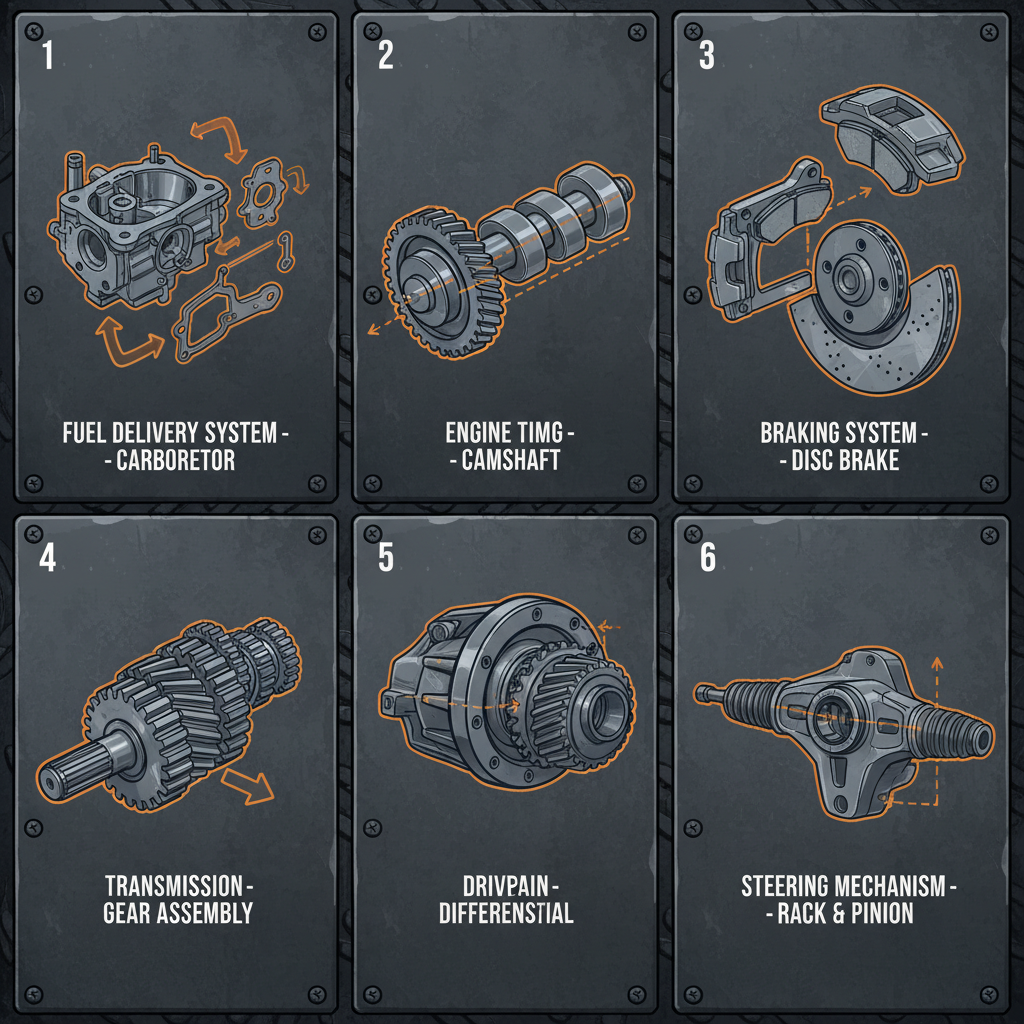
The automotive industry is currently undergoing a seismic shift, where the demand for high-precision car parts accessories has transitioned from simple replacement needs to a complex requirement for integrated system optimization. As vehicles evolve into software-defined machines, the physical hardware—ranging from chassis frames to precision seamless steel tubes—must meet unprecedented standards of durability and weight efficiency to support next-generation propulsion systems.
Globally, the pursuit of safety and performance has driven the innovation of specialized components. The integration of cold-drawn welded tubes and heat-treated steel ensures that the structural integrity of a vehicle remains intact under extreme stress, making the selection of quality car parts accessories a critical decision for both original equipment manufacturers (OEMs) and the aftermarket sector.
Understanding the nuances of automotive metallurgy and precision engineering allows stakeholders to reduce vehicle weight, enhance fuel efficiency, and increase passenger safety. By focusing on the synergy between material science and mechanical design, the industry is now able to deliver components that are not only functional but are optimized for a sustainable, long-term lifecycle.
The Global Significance of Precision Car Parts Accessories
In the current global economic landscape, the supply chain for car parts accessories serves as a barometer for industrial health. With the rise of Electric Vehicles (EVs) and autonomous driving, the demand for lightweight yet ultra-strong materials has skyrocketed. ISO standards now mandate stricter tolerances for chassis and frame components to ensure that vehicles can withstand the increased weight of battery packs while maintaining agile handling.
The strategic importance of these components extends beyond mere transportation; it is about the intersection of safety and sustainability. High-precision welded tubes and seamless steel pipes are no longer just "parts" but are engineered safety cells that protect human life during collisions, reflecting a global shift toward "zero-fatality" road safety goals advocated by international transport organizations.
Defining Modern Automotive Component Engineering
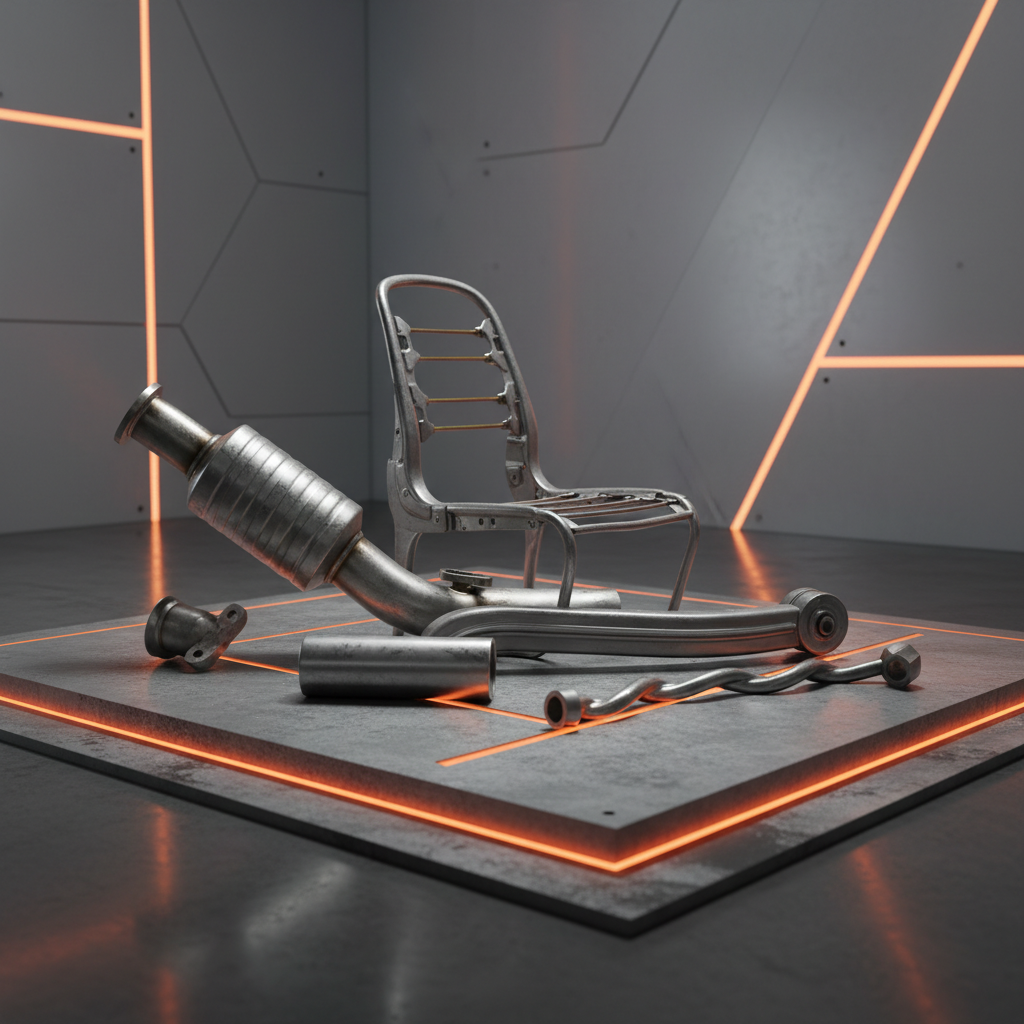
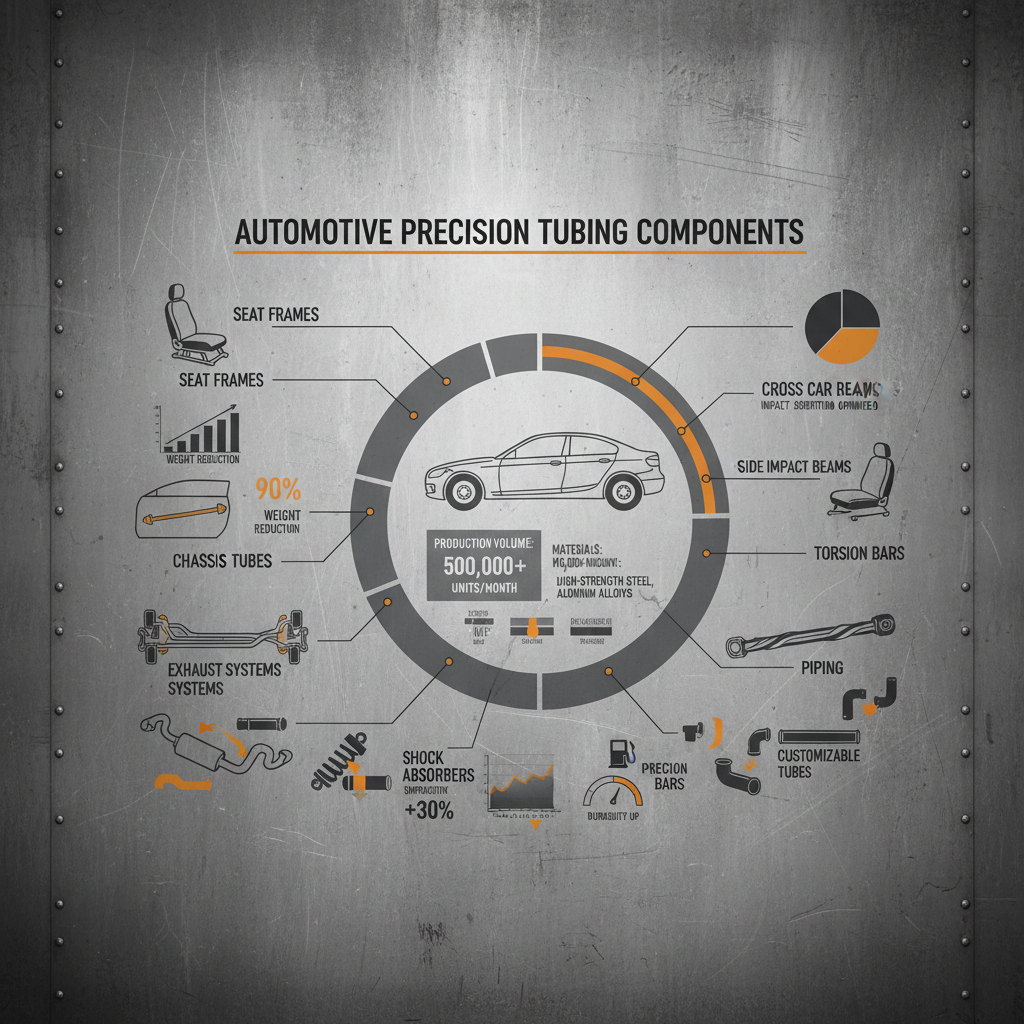
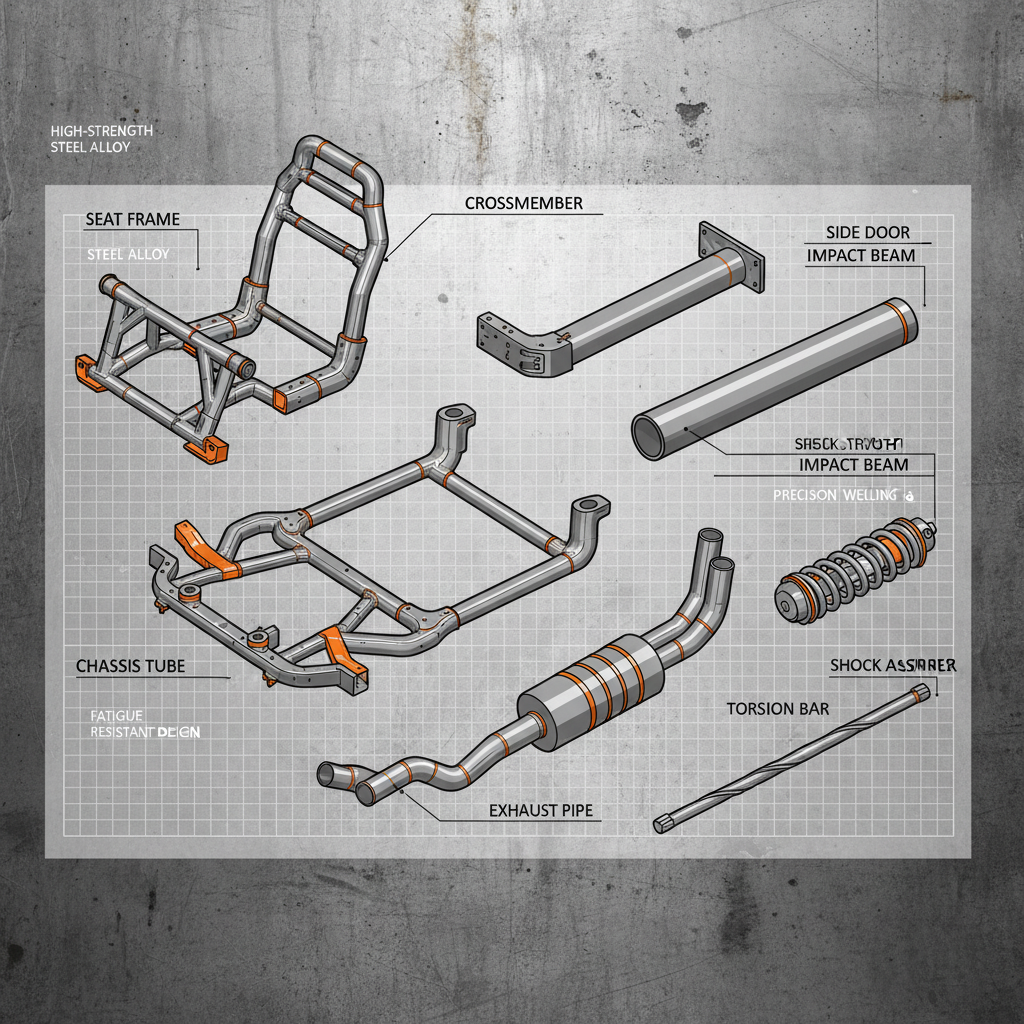
At its core, car parts accessories refer to the vast array of mechanical, structural, and functional components that enable a vehicle to operate safely and efficiently. This encompasses everything from the primary chassis frame—the "skeleton" of the car—to specialized shock absorber tubes and precision-engineered headrests. Unlike basic accessories, these technical components are the result of rigorous metallurgical processes and geometric precision.
Modern engineering in this sector bridges the gap between raw material science and end-user experience. For instance, the use of cold-rolled welded tubes allows for a balance between cost-efficiency and structural rigidity, ensuring that the vehicle maintains its aerodynamic profile without compromising the strength of the interior frame. This precision is what separates a standard vehicle from a high-performance machine.
Furthermore, the definition of these accessories has expanded to include "cross-industry" components. Technologies developed for medical equipment or high-end furniture parts are often adapted for automotive use, particularly in interior ergonomics and specialized seating frames, showcasing a multidisciplinary approach to modern automotive comfort and safety.
Core Factors Driving Component Durability and Performance
Material integrity is the primary driver of performance for any car parts accessories. The choice between precision seamless steel tubes and welded alternatives depends on the pressure and stress the part will encounter. Seamless tubes, for example, offer superior strength and a leak-proof nature, making them indispensable for high-pressure hydraulic systems within the chassis.
Heat treatment and surface finishing represent the second critical factor. By applying controlled thermal cycles to steel tubes, manufacturers can achieve a specific hardness and elasticity, ensuring that shock absorber tubes can endure millions of compression cycles without fatigue failure. This process transforms raw steel into a high-performance tool capable of maintaining vehicle stability.
Dimensional accuracy and tolerance control are where the "precision" in precision tubing becomes evident. Even a micron-level deviation in a cold-drawn tube can lead to improper fitment, causing vibrations or premature wear in mechanical parts. Therefore, implementing rigorous quality control protocols is essential to ensure the seamless integration of accessories into the overall vehicle architecture.
Industrial Applications of Specialized Steel Tubing
The application of specialized car parts accessories extends far beyond the standard passenger car. In heavy-duty industrial vehicles and construction machinery, the reliance on heat-treated steel tubes is paramount for handling extreme loads. In these environments, the chassis must support not only the vehicle's weight but also the dynamic forces of heavy machinery, requiring tubes with exceptional yield strength.
Moreover, in the realm of motorcycle parts and high-performance racing, the focus shifts toward the strength-to-weight ratio. Cold-drawn seamless tubes are used to create frames that are incredibly light to improve acceleration, yet rigid enough to prevent chassis flex during high-speed cornering. This application demonstrates how the same base material can be engineered for two completely different performance outcomes.
Performance Analysis of Car Parts Accessories Materials
Tangible Advantages of High-Grade Material Selection
Investing in high-grade car parts accessories yields significant long-term economic benefits. While the initial cost of precision seamless tubing may be higher than standard welded pipes, the reduction in maintenance frequency and the extension of the vehicle's operational life provide a much lower Total Cost of Ownership (TCO). This is particularly evident in commercial fleets where downtime equates to direct revenue loss.
Beyond the financial aspect, there is a profound emotional value tied to reliability and safety. When a driver trusts that the chassis and shock absorber tubes are engineered to the highest standards, it fosters a sense of security and confidence. This trust is the foundation of brand loyalty for automotive manufacturers, as it proves a commitment to passenger dignity and life safety over simple profit margins.
Future Trends in Sustainable Automotive Manufacturing
The future of car parts accessories is inextricably linked to the "Green Revolution." We are seeing a shift toward "Circular Metallurgy," where steel tubes are designed for easy disassembly and 100% recyclability. The goal is to create a closed-loop system where a chassis frame from a decommissioned vehicle becomes the raw material for a new generation of precision tubes.
Digital transformation is also playing a pivotal role. The integration of "Smart Components"—tubes with embedded sensors that can monitor structural fatigue in real-time—is moving from the laboratory to the assembly line. This allows for predictive maintenance, where a part is replaced based on actual wear rather than a predetermined schedule, drastically reducing waste.
Additionally, the adoption of additive manufacturing (3D printing) for complex mechanical parts is enabling the creation of organic, topologically optimized shapes that were previously impossible to manufacture. This reduces material usage by up to 30% while maintaining or even increasing the structural strength of the accessory.
Overcoming Technical Challenges in Parts Production
One of the most persistent challenges in the production of car parts accessories is the balance between hardness and ductility. A part that is too hard may crack under sudden impact, while one that is too ductile may deform too easily. The solution lies in advanced heat-treatment precision and the use of alloyed steels that can be tuned to specific mechanical properties.
Another hurdle is the inconsistency of raw material quality across global supply chains. To combat this, leading manufacturers are implementing AI-driven spectral analysis at the intake stage to ensure every batch of steel meets the required chemical composition before it ever enters the drawing or welding process.
Finally, the industry is tackling the challenge of surface corrosion in harsh environments. By developing new, eco-friendly nano-coatings that replace traditional toxic galvanization, manufacturers can provide parts that are virtually immune to rust without harming the environment during the production phase.
Comparative Analysis of Automotive Tubing Production Processes
| Process Type |
Structural Strength |
Production Cost |
Primary Application |
| Precision Seamless |
Extreme (10/10) |
High |
High-Pressure Hydraulics |
| Cold Drawn Welded |
High (8/10) |
Medium |
Chassis Support Frames |
| Cold Rolled Welded |
Moderate (6/10) |
Low |
Interior Trim Supports |
| Heat-Treated Steel |
Very High (9/10) |
Medium-High |
Shock Absorber Tubes |
| Precision Alloy |
High (8/10) |
High |
Performance Engine Parts |
| Standard Welded |
Basic (5/10) |
Very Low |
General Accessories |
FAQS
Seamless tubes are manufactured without a weld seam, making them significantly stronger and capable of withstanding much higher internal pressures. This makes them ideal for critical safety components. Welded tubes are produced by rolling a strip of steel and welding the edge; they are more cost-effective and perfectly suitable for structural components where extreme pressure is not a factor, such as chassis frames or seat supports.
Heat treatment alters the microstructure of the steel, allowing manufacturers to precisely control the balance between hardness and toughness. For parts like shock absorber tubes, this prevents the metal from bending under load or cracking during sudden impacts, effectively extending the lifespan of the component and improving vehicle ride quality.
It depends on the application. Cold-drawing typically results in tighter dimensional tolerances and a smoother surface finish, which is crucial for precision mechanical parts. Cold-rolling is often more efficient for producing larger quantities of tubes where absolute precision is less critical than structural consistency. For high-end car parts accessories, cold-drawing is usually preferred.
Yes, the high standards required for automotive parts make these components highly adaptable. Many precision seamless tubes are used in medical devices (such as surgical tools), high-end fitness equipment, and precision furniture frames. The shared requirement for durability and exact measurements makes the automotive supply chain a gold standard for other precision industries.
Check for certifications such as ISO 9001 or IATF 16949, which are specific to the automotive industry. Additionally, look for detailed material specifications—such as the type of steel (e.g., cold-drawn vs. welded) and the heat treatment process used. Reputable suppliers will provide material test reports (MTRs) to prove the component meets safety standards.
On the contrary, the use of advanced high-strength steels (AHSS) and precision alloys allows for "lightweighting" without losing strength. By optimizing the geometry of the parts and using superior metallurgy, engineers can create components that are lighter than traditional steel but offer better energy absorption during a crash, actually enhancing safety.
Conclusion
The evolution of car parts accessories represents a broader industrial journey toward precision, safety, and sustainability. From the fundamental strength of seamless steel tubes to the intricate requirements of heat-treated mechanical components, every detail contributes to the overall performance and safety of the modern vehicle. By integrating advanced metallurgical processes with a commitment to quality, the industry ensures that vehicles are not only more efficient but are built to last in an ever-changing global environment.
Looking forward, the synergy between digital manufacturing and sustainable material science will redefine how we perceive automotive hardware. As we move toward a future of electric and autonomous mobility, the demand for precision-engineered components will only grow. We encourage manufacturers and engineers to prioritize long-term material integrity over short-term cost savings to build a safer, greener transport ecosystem. For premium solutions in automotive tubing and precision parts, visit our website: www.cbiestube.com