Auto body parts are the essential components that comprise the exterior structure of a vehicle, playing a critical role in passenger safety, vehicle aesthetics, and aerodynamic performance. From the chassis and panels to bumpers and lighting systems, these parts undergo continuous innovation to meet stringent safety standards and evolving consumer demands. The global market for auto body parts is substantial, driven by automotive production, repair needs, and the aftermarket demand for customization and upgrades.
The auto body parts industry is a complex ecosystem involving manufacturers, suppliers, distributors, and repair shops worldwide. It’s heavily influenced by factors like raw material costs (steel, aluminum, plastics), technological advancements in manufacturing processes, and regulatory requirements surrounding vehicle safety and emissions. The demand for lightweight materials, driven by fuel efficiency and electric vehicle production, is reshaping the industry landscape.
Understanding the intricacies of auto body parts is vital for professionals in the automotive industry, from designers and engineers to technicians and parts retailers. For consumers, it provides insight into the quality and safety features of their vehicles, aiding informed decisions regarding maintenance and repairs. This knowledge is also crucial for ensuring compliance with safety regulations and optimizing vehicle performance.
Introduction to Auto Body Parts
Auto body parts encompass a wide range of components, from the visible exterior panels like hoods, doors, and fenders, to the underlying structural elements that provide vehicle integrity. These parts are not merely aesthetic; they’re integral to protecting occupants in the event of a collision and maintaining the vehicle’s structural rigidity. The quality and design of auto body parts directly impact a vehicle’s safety ratings and overall performance.
The automotive industry's reliance on advanced materials and manufacturing techniques ensures that auto body parts are both durable and lightweight. Steel remains a prevalent material, but aluminum, carbon fiber, and high-strength plastics are increasingly employed to reduce weight, improve fuel efficiency, and enhance crashworthiness. The pursuit of innovation in materials and design is constant, driven by evolving safety standards and environmental concerns.
Defining Auto Body Parts
Auto body parts are all the non-mechanical components forming the exterior shell of a motor vehicle. This includes everything from the roof and side panels to the bumpers, grilles, and even the windows. Their primary function is to provide a protective enclosure for passengers and internal components while contributing to the vehicle's aerodynamic efficiency and aesthetic appeal.
These components are critical for maintaining the structural integrity of the vehicle, absorbing impact energy during collisions, and protecting the internal workings from environmental factors like weather and debris. They represent a significant portion of the overall vehicle manufacturing cost and are subject to rigorous testing and quality control standards.
The evolution of auto body parts has mirrored the advancements in automotive technology. Early vehicles featured simple, heavy steel bodies, while modern cars utilize sophisticated designs incorporating lightweight materials and advanced safety features. This continuous improvement is driven by the need for increased safety, fuel efficiency, and design flexibility.
Key Factors in Auto Body Part Production
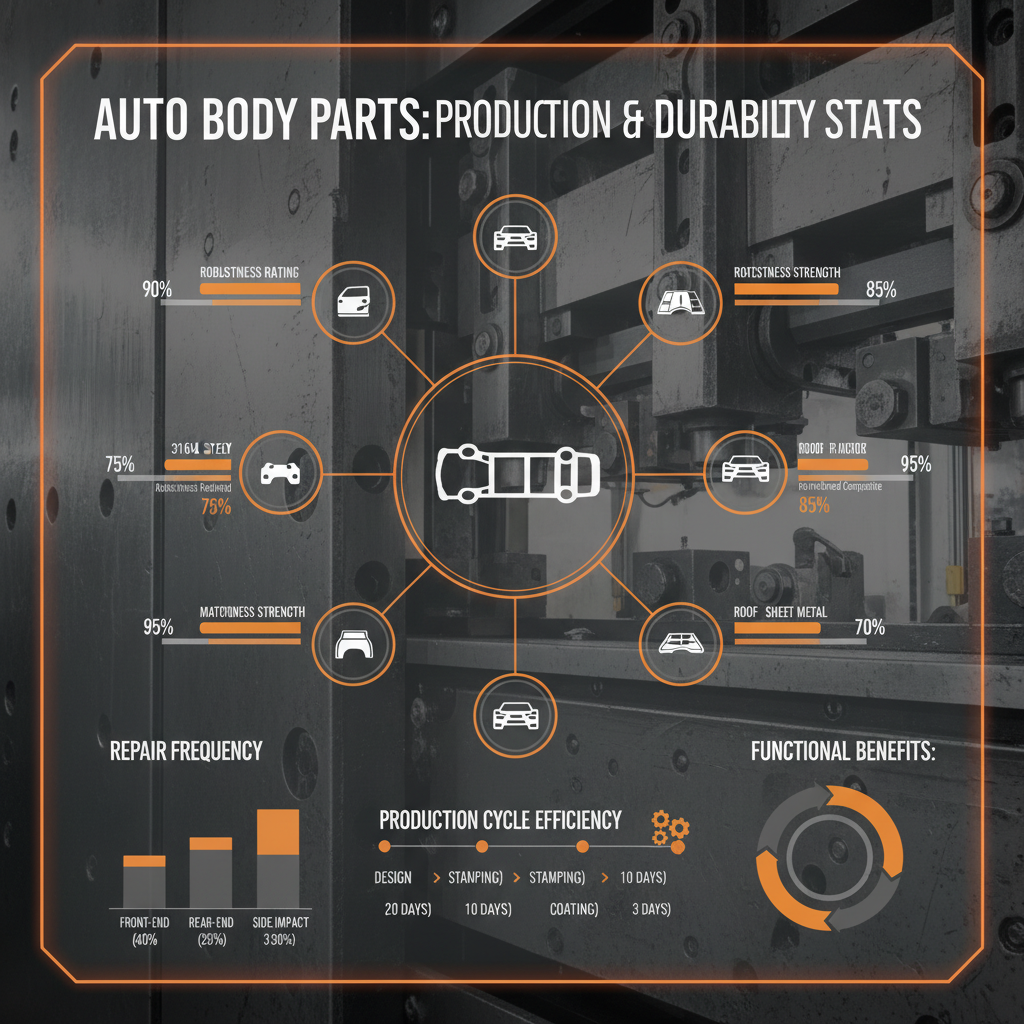
Durability is paramount in auto body part production. Parts must withstand harsh weather conditions, road debris, and the potential forces of a collision. Manufacturers employ robust materials and rigorous testing protocols to ensure longevity and resistance to corrosion, impact, and fatigue.
Cost efficiency is another critical factor. Balancing material costs, manufacturing processes, and labor expenses is essential for maintaining competitive pricing. This often involves optimizing designs, utilizing efficient production techniques, and sourcing materials strategically. The increasing demand for affordable vehicles drives a continuous focus on cost reduction without compromising quality.
Weight reduction is increasingly important. Lightweight materials like aluminum and carbon fiber are gaining popularity as manufacturers strive to improve fuel efficiency and reduce emissions. Reducing vehicle weight also enhances handling and performance, making it a key consideration in auto body part design.
Global Applications of Auto Body Parts
Auto body parts are universally required in automotive manufacturing and repair across the globe. Major automotive production hubs like China, Germany, Japan, and the United States represent significant demand centers. The aftermarket for auto body parts also thrives globally, driven by vehicle maintenance, accident repairs, and customization trends.
In developed economies, the emphasis is on high-quality, technologically advanced auto body parts, often utilizing lightweight materials and incorporating advanced safety features. Emerging markets often prioritize affordability and availability, leading to a demand for more cost-effective solutions.
Specifically, in post-disaster relief operations, quick access to replacement auto body parts – particularly for emergency vehicles and essential transport – is crucial for restoring infrastructure and providing aid. Similarly, in remote industrial zones with heavy vehicle usage, a reliable supply chain for auto body parts is essential for maintaining operational efficiency.
Auto Body Parts Production Methods – Efficiency Comparison
Advantages and Long-Term Value
Investing in high-quality auto body parts translates to enhanced vehicle safety. Properly engineered parts provide superior crash protection, minimizing the risk of injury to occupants. This is a fundamental benefit, providing peace of mind and potentially saving lives.
From a financial perspective, durable auto body parts reduce the frequency and cost of repairs over the vehicle’s lifespan. Choosing quality components minimizes the need for frequent replacements, lowering long-term ownership costs. This contributes to the overall value and longevity of the vehicle.
Future Trends and Innovations
The automotive industry is undergoing a significant shift towards electric vehicles (EVs), which necessitates the development of new auto body parts optimized for lighter weight and improved energy efficiency. The use of aluminum, carbon fiber, and advanced polymers will become increasingly prevalent in EV body construction.
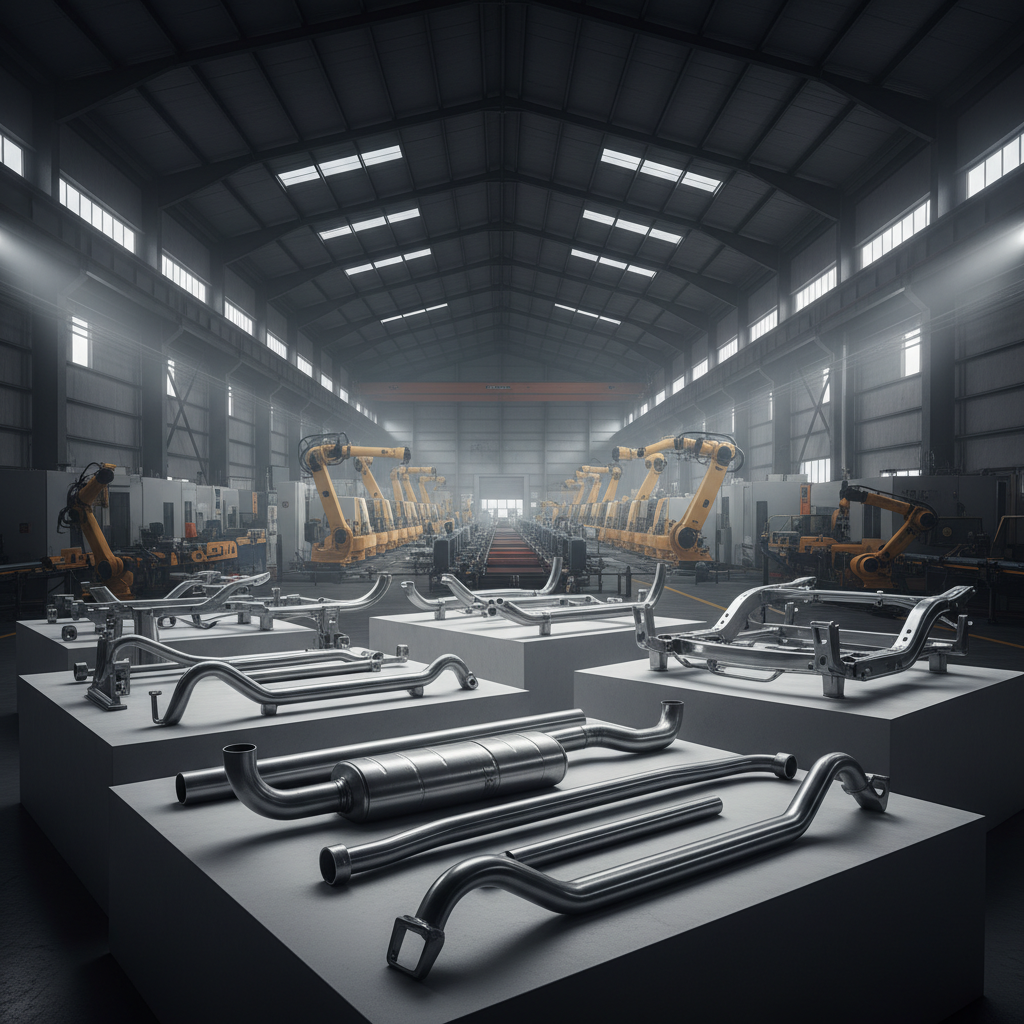
Digital transformation is revolutionizing the auto body parts supply chain. Technologies like 3D printing and advanced robotics are enabling faster prototyping, customized production, and improved quality control. Data analytics and predictive maintenance are also playing a growing role in optimizing parts inventory and reducing downtime.
Challenges and Solutions in Auto Body Parts
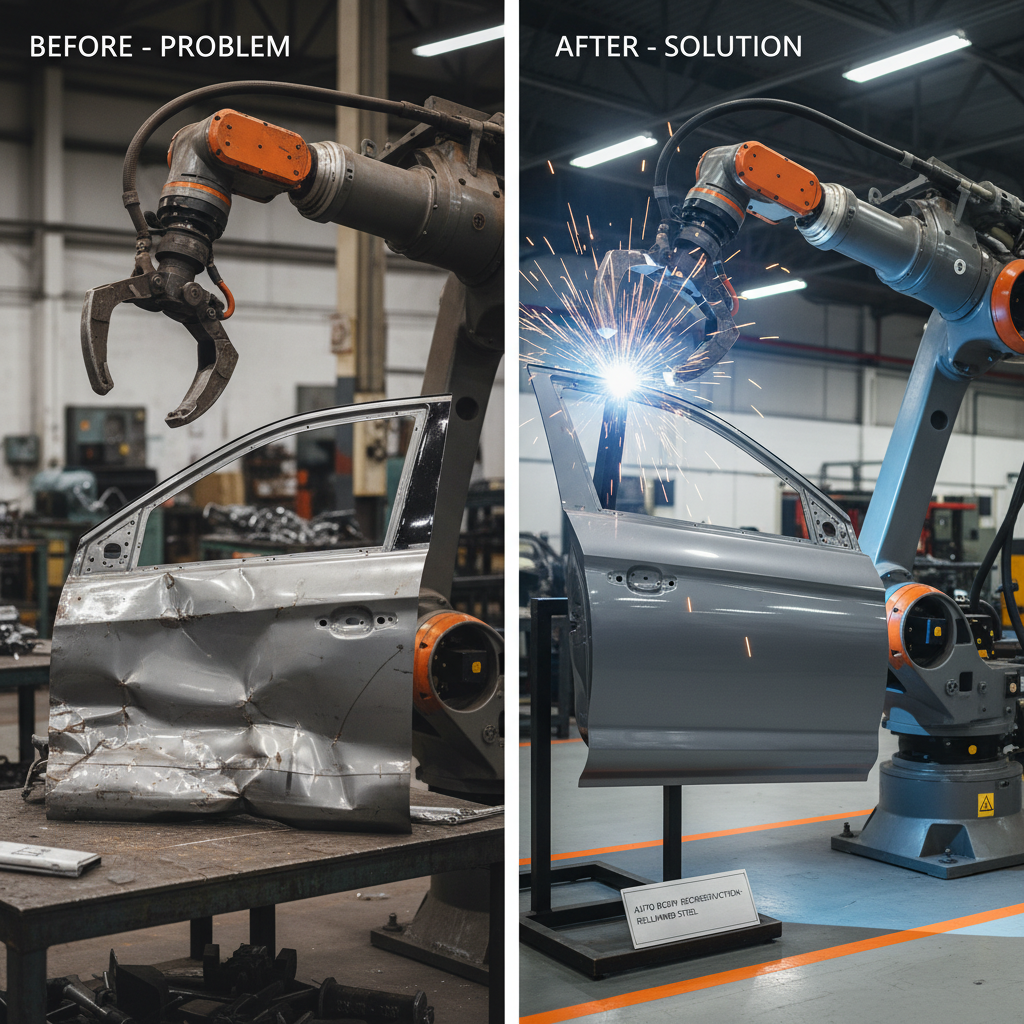
One significant challenge is the increasing complexity of vehicle designs, which demands more specialized and intricate auto body parts. This complexity can lead to higher manufacturing costs and longer lead times. The solution lies in adopting advanced manufacturing techniques, such as additive manufacturing (3D printing), and investing in skilled labor.
Supply chain disruptions, as witnessed during recent global events, pose another major challenge. Diversifying sourcing, building strategic partnerships, and implementing robust inventory management systems are crucial for mitigating these risks and ensuring a consistent supply of auto body parts.
The demand for sustainable materials is growing. Recycling and utilizing bio-based materials in auto body part production offers a pathway towards reducing environmental impact and promoting circular economy principles. Investment in research and development is essential to overcome the technical hurdles associated with these materials.
Summary of Challenges and Solutions in Auto Body Parts Production
| Challenge |
Impact on Production |
Proposed Solution |
Implementation Cost (Scale 1-10) |
| Increasing Design Complexity |
Higher Manufacturing Costs, Longer Lead Times |
Adopting Additive Manufacturing & Skilled Labor |
7 |
| Supply Chain Disruptions |
Production Delays, Material Shortages |
Diversified Sourcing & Strategic Partnerships |
6 |
| Rising Raw Material Costs |
Reduced Profit Margins, Increased Part Prices |
Material Substitution & Value Engineering |
5 |
| Environmental Sustainability |
Consumer Demand for Eco-Friendly Options |
Recycling & Bio-Based Materials Usage |
8 |
| Quality Control Issues |
Increased Warranty Claims, Brand Reputation Damage |
Implementing Automated Inspection Systems |
7 |
| Skilled Labor Shortage |
Reduced Production Capacity, Increased Training Costs |
Investing in Training Programs & Apprenticeships |
6 |
FAQS
Modern auto body parts utilize a variety of materials to achieve specific performance characteristics. Steel remains prevalent due to its strength and cost-effectiveness, but aluminum alloys are increasingly used for weight reduction. High-strength plastics, like polypropylene and polycarbonate, are employed for bumpers, interior panels, and certain body panels. Carbon fiber is utilized in high-performance vehicles for extreme weight savings, though it’s currently more expensive.
Auto body part design is crucial for vehicle safety. Energy-absorbing structures, crumple zones, and reinforced pillars are engineered to dissipate impact forces during collisions, protecting occupants. Side-impact beams, door reinforcements, and robust roof structures enhance crashworthiness. The materials used also play a role, with high-strength steel and aluminum contributing to structural integrity.
Corrosion protection is vital for the longevity and structural integrity of auto body parts. Steel components are typically treated with phosphate coatings, electrodeposition coatings (e-coating), and clear coats to prevent rust and corrosion. Aluminum parts are often anodized or treated with protective coatings to resist oxidation. Regular maintenance, such as waxing and undercoating, can further enhance corrosion resistance.
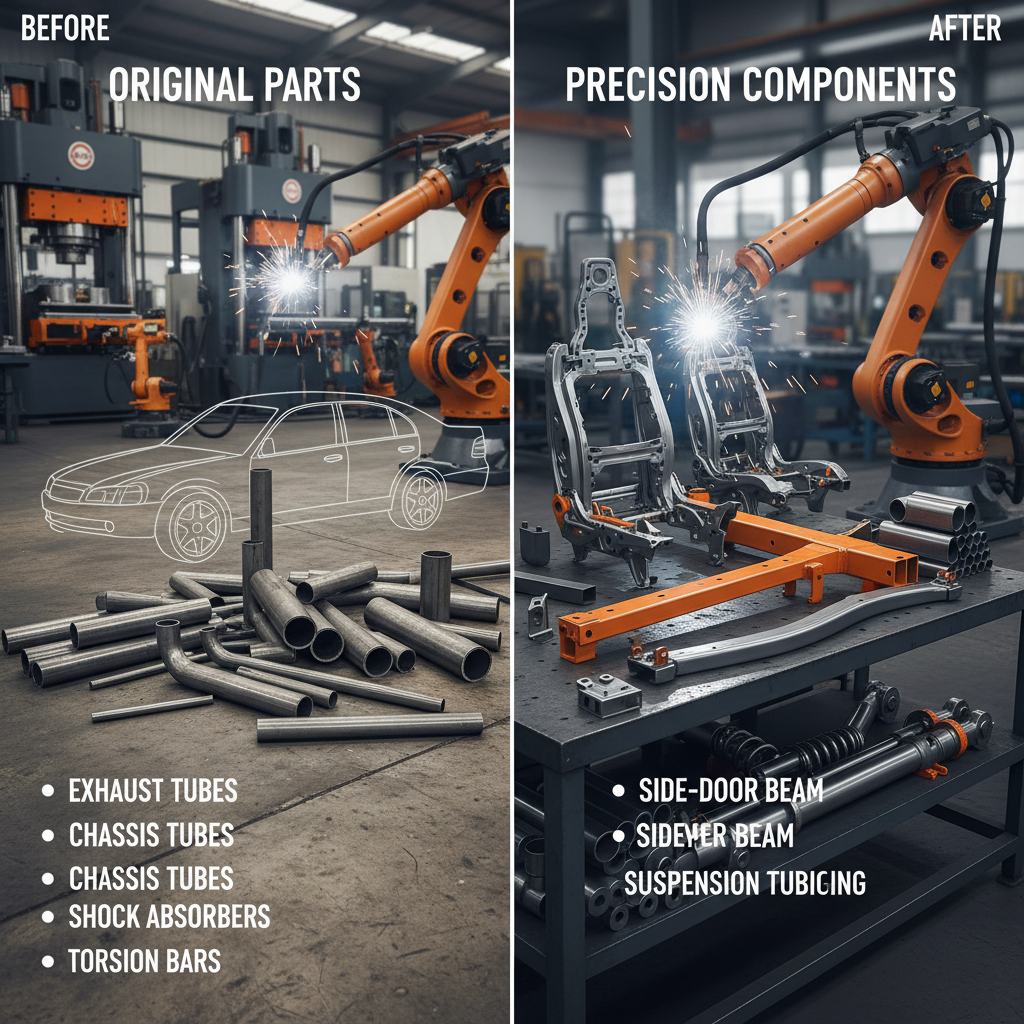
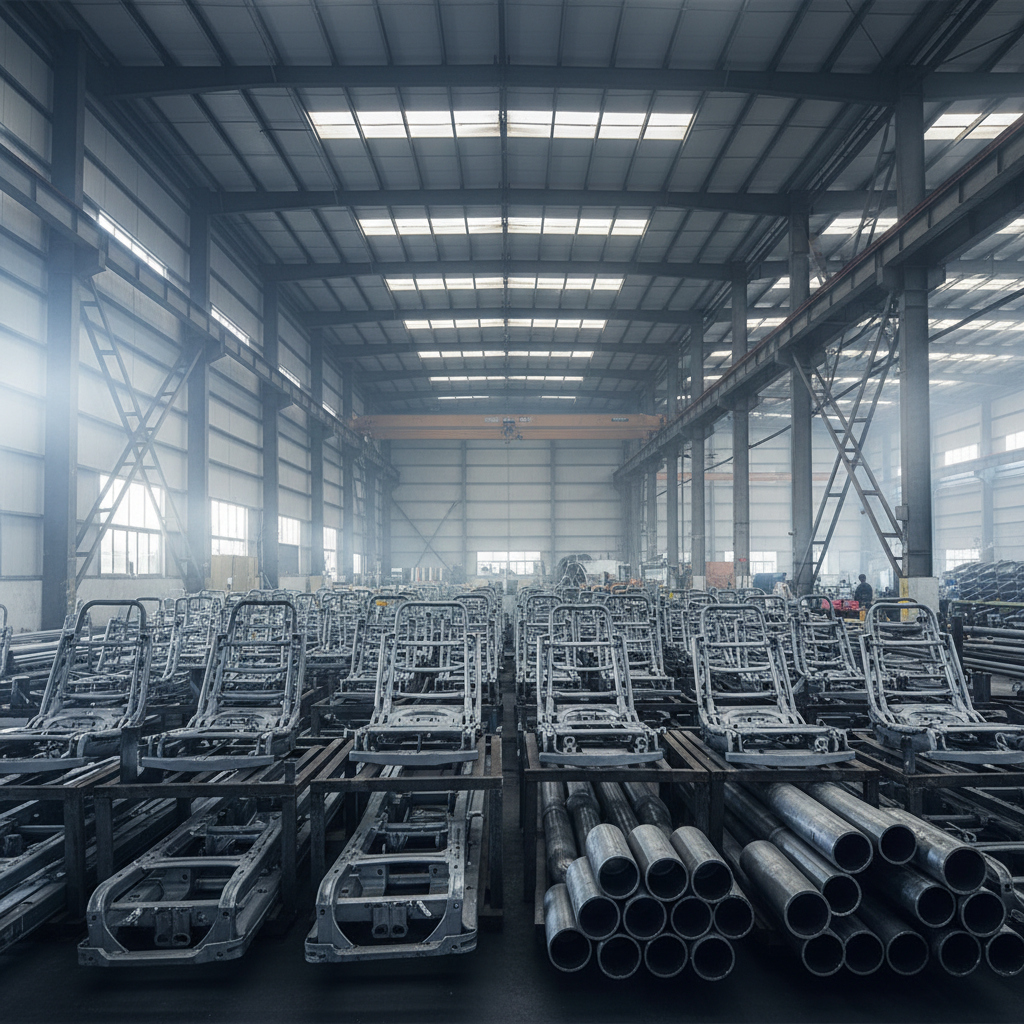
Auto body parts are manufactured using a range of processes. Stamping involves pressing sheet metal into desired shapes. Injection molding is used for plastic parts. Welding, adhesive bonding, and riveting are used to assemble components. More advanced techniques include hydroforming, which shapes metal using high-pressure fluid, and 3D printing, which allows for customized part creation.
When selecting aftermarket auto body parts, prioritize quality and compatibility. Look for parts from reputable manufacturers that meet or exceed OEM (Original Equipment Manufacturer) standards. Ensure the part is designed for your specific vehicle make and model. Consider the material quality, corrosion protection, and warranty offered. For safety-critical parts, it’s often best to opt for OEM or certified aftermarket options.
Sustainability is increasingly a focus in auto body part production. This includes using recycled materials, reducing waste in manufacturing processes, and developing bio-based plastics. Lightweighting efforts using aluminum and carbon fiber also contribute to improved fuel efficiency and reduced emissions. Manufacturers are also exploring closed-loop recycling systems for end-of-life vehicle parts.
Conclusion
Auto body parts represent a critical component of the automotive industry, playing a pivotal role in vehicle safety, performance, and aesthetics. From the evolution of materials to the adoption of advanced manufacturing techniques, the industry is constantly innovating to meet the demands of a changing world. Understanding the intricacies of auto body parts is essential for professionals and consumers alike, contributing to safer, more efficient, and more sustainable transportation solutions.
Looking ahead, the integration of sustainable materials, digital technologies, and innovative design concepts will further shape the future of auto body parts. Continued investment in research and development is crucial for overcoming challenges and unlocking new possibilities. We encourage you to explore our comprehensive selection of high-quality auto body parts at www.cbiestube.com to find the perfect solutions for your needs.